
 EN
EN
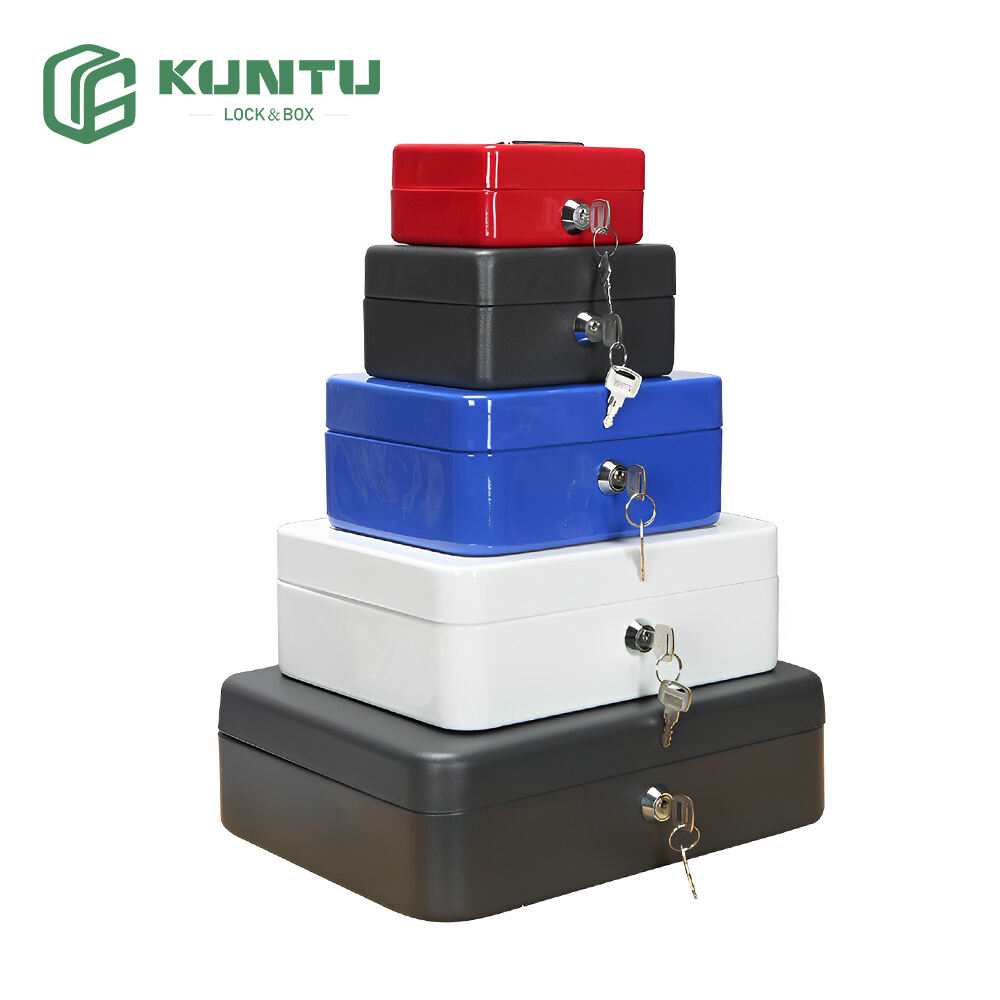
Physical Anti-Tampering Defenses in a Safe Box
Drill-Resistant Construction and Anti-Drill Plates
Good quality safes actually have special materials built in to stop those everyday tools burglars might try to use. Think about hardened steel plates placed right around where the lock is, plus layers made from ceramics mixed with strong metal alloys. Now when someone tries to get through with those fancy diamond tipped drill bits that are pretty much the best at breaking things, it takes them well over 45 minutes straight just to make a dent. Most thieves aren't going to stick around that long, so these features really work against people who just want something quick. The way these safes perform matches what's required by UL 1037 standards, which test how well they resist drilling as part of looking at all sorts of ways someone might try to break in. And let's be honest, if a safe doesn't have these kinds of protections, statistics show it gets broken into about three times more often when someone actually tries to force their way in.
Tamper-Proof Hinges, Bolt-Down Anchoring, and Lock Concealment
When looking at security features for safes, hidden hinges, internal bolts, and those recessed locks all work together to remove weak spots on the outside. The hinges themselves are actually built into the safe body so nobody can get a grip to pry them open. Bolt down kits come with those thick half inch steel bolts that really secure the unit to either floor or wall surfaces. There are also protective collars around the locks which stop someone from just reaching in and messing with them directly. All this concealment makes it much harder for anyone trying to plan an attack or actually carry one out. And when we talk about smash and grab attempts specifically, studies show these combined security measures cut successful thefts down by nearly two thirds. That's what the Ponemon Institute found in their latest security benchmarks from 2023.
Electronic Anti-Theft Safeguards for Modern Safe Boxes
Intrusion Detection Sensors and Real-Time Tamper Alerts
Modern electronic safes come equipped with multiple sensor systems that spot unauthorized access as it happens. These include impact sensors for picking up on hammer blows or drill vibrations, accelerometers that go off when someone tries to lift or tilt the safe in an odd way, plus glass break detectors sensitive to sounds made during lock tampering attempts. Once any suspicious activity gets picked up, secure mobile notifications get sent straight to the owner's phone so they can react fast. According to research published last year in the Security Journal, these real time monitoring features actually reduce the chances of theft by around two thirds when compared to traditional passive safes that just sit there without any active defenses.
Integrated Alarms, Time-Delayed Access, and Unauthorized Entry Lockouts
Today's safe systems incorporate electronic security layers designed to stop intrusions in their tracks. When someone tries breaking in, a loud 120 dB alarm goes off right away, which not only gets people's attention but also makes it harder for thieves to stay unnoticed. The safes come with adjustable time delays too. Even if someone enters the right code, they still have to wait through these set periods before getting access. This prevents situations where someone might be forced to open the safe under pressure. Most models will block access completely after three wrong tries, usually locking down for anywhere between one to fifteen minutes. Some advanced systems go further by permanently locking out anyone who keeps trying without success. All these different mechanisms work together to slow things down, make potential criminals think twice about attempting a break in, and ultimately cut down on successful theft attempts.
Structural Integrity: How Material Science Enhances Safe Box Security
Solid Steel Housing and Hardened Steel Reinforcements
The science behind materials plays a big role in how strong modern safes actually are. Most safes start with solid steel bodies usually made from 10 to 12 gauge steel, which acts as the first line of defense against impacts and forced entry attempts. At spots where break-ins typically happen, such as near locks and door edges, manufacturers add extra layers of hardened steel reinforcement. These parts are crafted from special carbon-rich steel that gets heated up to around 1500 degrees Fahrenheit before being cooled quickly, resulting in rock hard surfaces rated between C55 and C60 on the Rockwell scale. What makes this so effective? When thieves try to drill through these plates, their bits tend to snap off right away. Each broken bit adds roughly 15 to 20 minutes to the job, giving security forces enough time to intervene. Industry research suggests this simple delay stops about 8 out of 10 attempted break-ins. Regular metals just don't stand up to this kind of punishment. While cheaper alternatives might slow down intruders, these reinforced designs actually destroy the very tools criminals rely on, turning what was once just a storage container into something that fights back against theft. Considering losses from burglaries often top over seven hundred forty thousand dollars according to Ponemon Institute data from last year, building a safe isn't simply about making something tough enough to resist force. It's really about creating obstacles that discourage would-be thieves altogether.
Certified Security: Understanding UL 1037 and Its Role in Safe Box Evaluation
When it comes to telling real security from just good marketing talk, third party validation makes all the difference. That's why Underwriters Laboratories (UL) certification still stands as the top mark of quality for home safes. The UL 1037 standard puts these boxes through their paces with 15 minutes of simulated attacks using tools like crowbars, hammers, and power drills to test against prying, drilling attempts, and lock manipulations. If a unit survives this independent stress test, it gets the UL RSC rating which shows it can really hold up thanks to solid construction and built in tamper prevention features. There are also higher level certifications such as TL-15 and TL-30 that subject safes to even longer and tougher tests, mainly for businesses or people storing valuable items. Homeowners looking to protect things they can't replace need to check for UL 1037 certification because it gives concrete proof that the safe has been tested under conditions similar to what might happen in real life situations.
FAQ
What materials are typically used for drill-resistant construction in safes?
Drill-resistant safes commonly incorporate hardened steel plates, ceramics mixed with metal alloys, and other reinforced materials to prevent unauthorized access attempts.
How do electronic safes detect unauthorized access?
Electronic safes utilize sensors such as impact sensors, accelerometers, and glass break detectors to identify attempts of tampering or forced entry.
What is UL 1037 certification?
UL 1037 certification is a standard by Underwriters Laboratories that evaluates the resistance of safes against prying, drilling, and lock manipulation, ensuring robust security features.