
 EN
EN
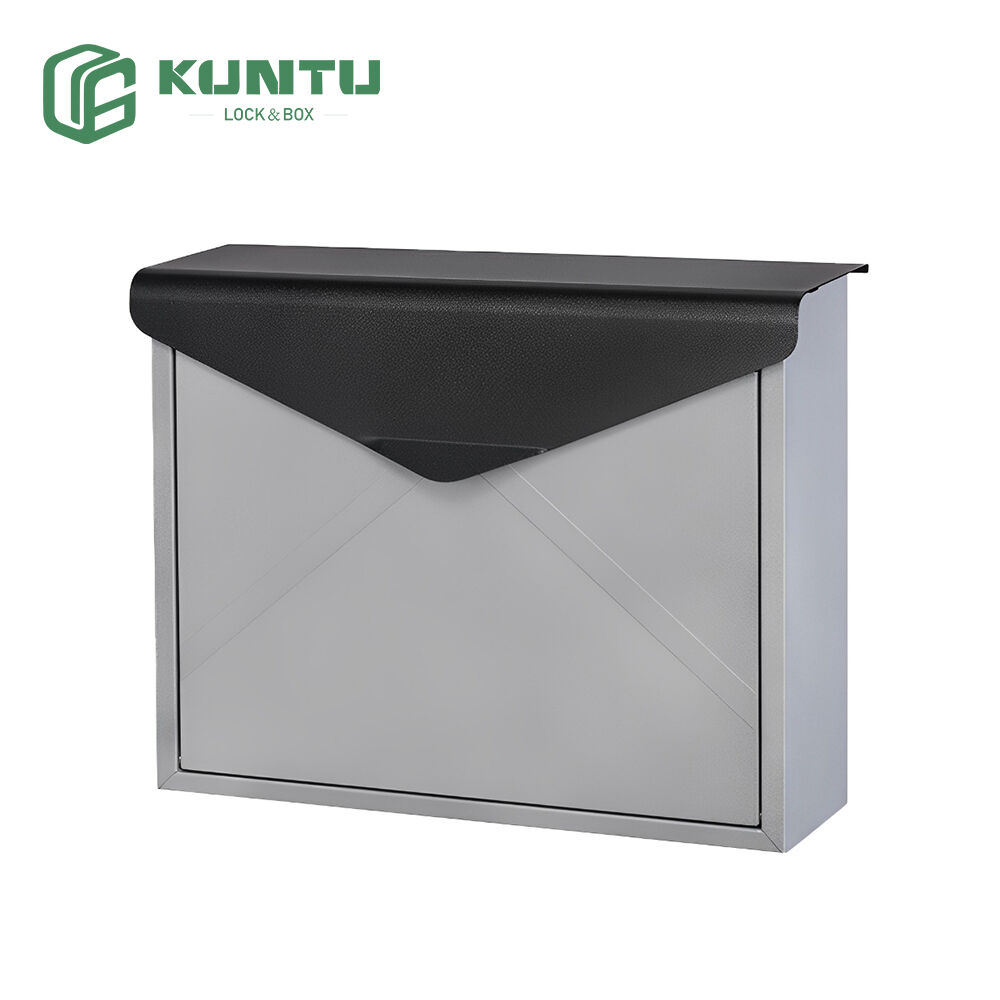
The rise of contactless services and e-commerce has reshaped mail and parcel management in multi-family residences across Europe and the United States. For property managers, this shift brings not only operational challenges but also heightened legal obligations—rooted in stringent postal regulations such as the U.S. Postal Service (USPS) rules, European Union postal directives, and country-specific mandates. Failure to comply with these regulations can result in fines, legal liabilities, and even disrupted postal services for residents. At the core of compliance lies the provision of standardized centralized mailbox and parcel facilities that meet safety, accessibility, and security requirements. This article serves as a professional guide for property managers, clarifying legal responsibilities, breaking down equipment compliance criteria, and offering actionable selection recommendations to establish authoritative and compliant operations.
Core Legal Obligations for Property Managers Under European and American Postal Regulations
Property managers in multi-family residences (apartments, condominiums, and mixed-use buildings) bear primary responsibility for ensuring mail and parcel services comply with regional regulations. These obligations extend beyond mere convenience—they are legally binding and enforceable by postal authorities, with consequences for non-compliance ranging from monetary penalties to regulatory sanctions.
U.S. Regulatory Framework: USPS Regulations as the Cornerstone
In the United States, the USPS sets mandatory standards for mailbox installation, accessibility, and maintenance in multi-family residences, outlined in the Domestic Mail Manual (DMM) and Code of Federal Regulations (CFR) Title 39. Key legal obligations for property managers include:
-
Mandatory Mailbox Provision: Every residential unit must have access to a USPS-approved mailbox that is securely installed, weather-protected, and easily accessible to postal carriers. For buildings with 10 or more units, centralized mailbox clusters (often called "cluster box units," CBUs) are typically required to streamline delivery.
-
Accessibility Compliance: Mailboxes must adhere to the Americans with Disabilities Act (ADA) standards, including height requirements (34 to 48 inches above the ground for front-access mailboxes), clear access paths (minimum 30x48 inches), and tactile labels for visually impaired residents. Non-compliant installations can lead to lawsuits and forced retrofits.
-
Maintenance and Security Responsibilities: Property managers must ensure mailboxes remain in good working order—repairing damaged locks, replacing broken doors, and addressing vandalism promptly. Failure to maintain secure mailboxes may result in liability for stolen or lost mail, as outlined in USPS guidelines and civil liability laws.
-
Parcel Delivery Accommodations: With the surge in e-commerce, USPS requires multi-family residences to provide secure parcel storage solutions if standard mailboxes are too small. This includes either USPS-approved parcel lockers integrated with cluster mailboxes or a designated secure area for package delivery, monitored and accessible to residents.
European Regulatory Landscape: Harmonized Directives and National Variations
In Europe, postal regulations are governed by EU-wide directives (e.g., Directive 97/67/EC, updated to reflect digital and contactless trends) and supplemented by national laws, creating a framework that balances harmonization with regional specificity. Property managers must navigate obligations such as:
-
Mandatory Mail Reception Facilities: Similar to the U.S., EU member states require multi-family buildings to install dedicated mailboxes for each unit, with standards for size, security, and installation location (typically near building entrances for carrier access). For example, German postal regulations (Deutsche Post) mandate mailboxes with minimum internal dimensions and weatherproof seals.
-
Data Protection and Privacy: Under the General Data Protection Regulation (GDPR), property managers must ensure that centralized parcel facilities (e.g., smart lockers) do not collect or store unnecessary resident data. Access logs and delivery records must be secured and retained only for compliance purposes.
-
Third-Party Delivery Compliance: Unlike the USPS (a government entity), European postal services include private carriers (e.g., DHL, UPS). Property managers must provide access to authorized carriers while maintaining building security, often through keycard-accessed mailbox rooms or integrated locker systems.
Compliant Mailbox and Parcel Equipment Selection: Key Criteria
Selecting the right mailbox and parcel equipment is critical for compliance, security, and resident satisfaction. Property managers should prioritize USPS/EU approval, durability, accessibility, and scalability when evaluating solutions.
1. USPS/EU-Approved Mailbox Systems
For U.S. properties, all mailboxes must bear the USPS "Approved" seal, indicating compliance with DMM standards. Cluster Box Units (CBUs) are the gold standard for multi-family residences, available in configurations for 8 to 64 units, with integrated parcel lockers to meet package delivery needs. These units are constructed from heavy-gauge steel, feature anti-pry locks, and are designed for outdoor installation with weather-resistant finishes.
In Europe, look for mailboxes certified by national postal authorities (e.g., Deutsche Post’s "Zulassung" mark, Royal Mail’s approved standards). Modular mailbox systems are popular, allowing property managers to expand capacity as needed while maintaining compliance with size and security requirements.
2. Accessibility and Inclusivity Features
ADA compliance is non-negotiable in the U.S.—select mailboxes with front or rear access options to accommodate different building layouts, and ensure tactile numbering and high-contrast labels for visually impaired residents. For European properties, adhere to EN 13724 standards for accessibility, which align with GDPR and disability rights directives.
Consider adjustable-height parcel lockers for larger items, ensuring residents of all abilities can retrieve packages without assistance. This not only meets regulatory requirements but also enhances resident experience.
3. Security and Anti-Theft Design
Mail theft is a pervasive issue in both regions, with USPS data showing a rise in mailbox vandalism in multi-family residences. Select mailbox systems with tamper-resistant locks, reinforced steel construction, and anti-pry edges to deter theft. For parcel storage, integrated smart lockers with individual PIN or keycard access provide a secure contactless solution, reducing the risk of lost or stolen packages.
In high-risk areas, consider adding surveillance cameras near mailbox clusters—ensuring compliance with privacy laws (e.g., GDPR in Europe, state privacy laws in the U.S.) by posting clear notices and limiting footage retention.
4. Scalability and Integration with Contactless Services
The "contactless" era demands flexible solutions that can adapt to growing parcel volumes. Modular mailbox systems allow for the addition of parcel lockers or extra mailbox units as the building’s needs evolve. Smart mailbox technology, such as app notifications for deliveries and remote access, enhances convenience while maintaining compliance—just ensure these systems meet data privacy regulations and are compatible with postal carrier requirements.
For mixed-use buildings (residential + commercial), dual-purpose mailbox systems can accommodate both residential units and small businesses, streamlining delivery and ensuring compliance for all tenants.
Risk Mitigation: Best Practices for Sustained Compliance
Regulatory compliance is an ongoing commitment, not a one-time installation. Property managers can mitigate legal risks by implementing these best practices:
-
Conduct Regular Audits: Annually inspect mailbox systems for damage, accessibility issues, and compliance with USPS/EU standards. Document repairs and maintenance to demonstrate due diligence in case of legal disputes.
-
Stay Updated on Regulatory Changes: Postal regulations evolve to reflect technological and societal shifts (e.g., USPS updates to parcel delivery rules, EU adjustments to GDPR-compliant smart systems). Subscribe to postal authority newsletters and consult legal experts specializing in property and postal law.
-
Train Staff on Compliance Protocols: Ensure on-site staff understand how to report mailbox damage, assist residents with accessibility needs, and coordinate with postal carriers. This reduces operational errors that could lead to non-compliance.
-
Communicate with Residents: Post clear guidelines on mailbox use, package retrieval, and reporting issues. Transparent communication not only improves resident satisfaction but also creates a record of compliance efforts.
Conclusion: Compliance as a Foundation of Trust and Professionalism
In the contactless era, compliant mailbox and parcel systems are more than a legal requirement—they are a cornerstone of responsible property management. By adhering to USPS regulations, EU directives, and national laws, property managers protect their buildings from fines and liability while providing secure, accessible services for residents. Selecting USPS/EU-approved, secure, and scalable mailbox solutions ensures long-term compliance and adapts to the growing demands of e-commerce and contactless delivery. For property managers seeking to establish an authoritative, professional reputation, regulatory compliance in mail and parcel management is non-negotiable—it builds trust with residents, postal carriers, and regulatory authorities alike.