
 EN
EN
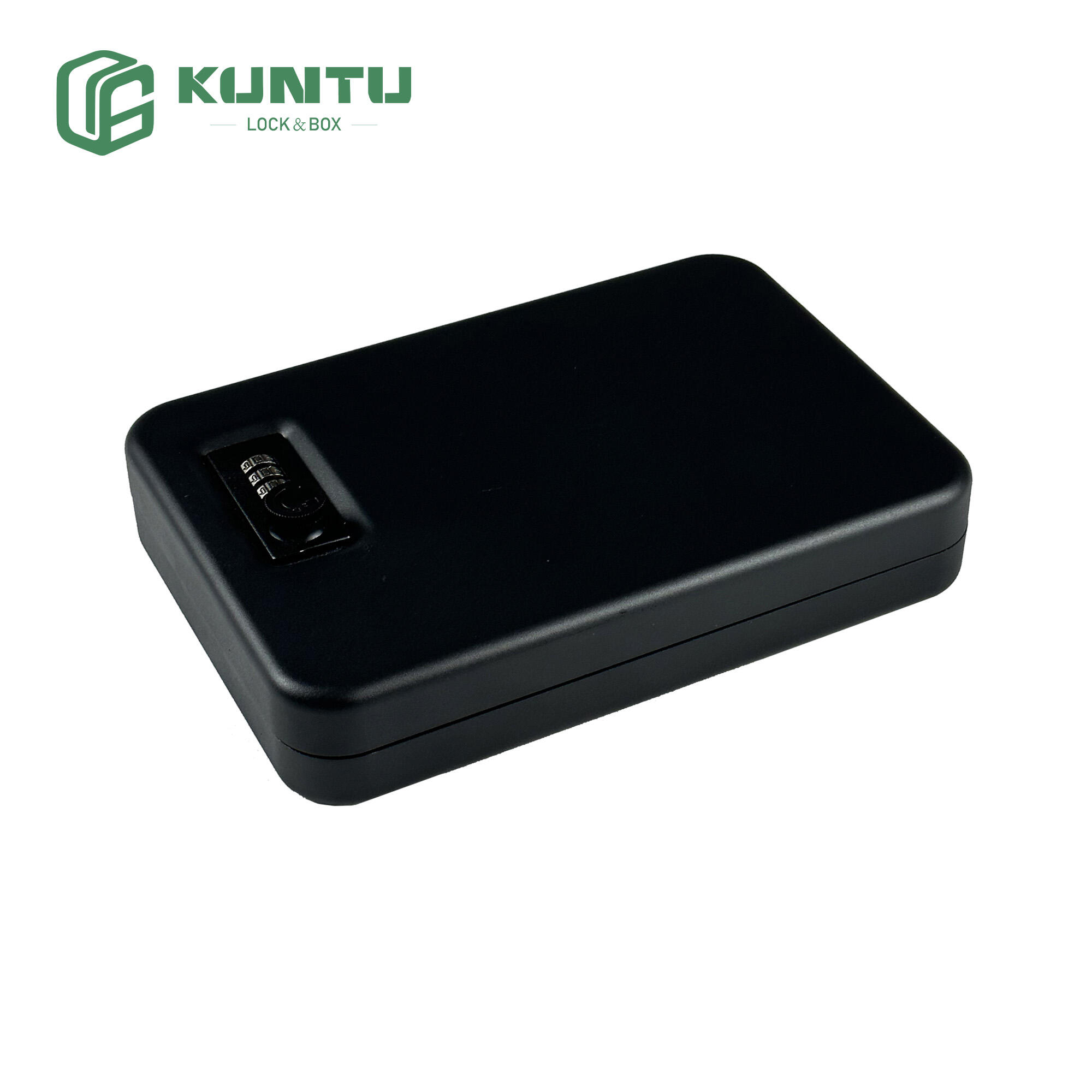
Outdoor adventures—whether lounging on the beach, splashing in the pool, or camping under the stars—are all about relaxation and freedom. Yet one persistent hassle casts a shadow over these moments: where to stow your valuables. Leaving phones, wallets, and car keys on a beach towel, poolside chair, or camping table is a risky gamble, vulnerable to theft, accidental knocks, or exposure to sand and water. Tucking them in a bag offers little protection, and carrying them while swimming or hiking ruins the fun. The solution lies in a purpose-built outdoor personal safe—waterproof, sandproof, and anchorable—designed to secure your essentials so you can fully immerse yourself in the activity. This article explores how this versatile personal safe becomes your valuables’ ultimate sanctuary across beach, pool, and campsite settings.
The Unique Risks of Valuables in Outdoor Settings
Beaches, pools, and campsites present distinct challenges that make traditional storage methods ineffective. At the beach, sand infiltrates every crevice, damaging electronics and jamming locks, while waves and sudden rain pose water risks. Thieves patrol crowded beaches, targeting unattended bags and towels while owners are in the water. Poolside, wet hands and slippery surfaces increase the chance of dropping valuables, and unattended items are easy pickings for opportunistic thieves. Campsites, though more secluded, face risks of animal tampering, weather damage, and theft from other campers or passersby.
A 2025 outdoor safety survey found that 28% of travelers have lost or had valuables stolen during beach or pool outings, with phones and car keys being the most commonly misplaced items. The frustration of replacing a water-damaged phone or stranded by lost car keys can ruin an entire trip. A specialized outdoor personal safe addresses these risks head-on, combining protection against elements and theft in one portable package.
Key Features of an Outdoor-Ready Personal Safe
1. Waterproof and Sandproof Construction: Shield Against Elements
The foundation of a reliable outdoor personal safe is its ability to withstand water and sand. Premium models feature an IP67 or higher waterproof rating, meaning they can be submerged in up to 1 meter of water for 30 minutes—ideal for accidental drops in the pool or splashes at the beach. A heavy-duty rubber gasket around the lid creates an airtight seal, preventing water, sand, and dust from seeping inside and damaging electronics or ruining cash.
The exterior is typically made of high-impact polymer or aluminum, resistant to scratches, dents, and UV rays that can fade or weaken materials under the sun. The smooth, sealed design also makes it easy to wipe off sand or water, ensuring no debris accumulates in hinges or locks. For beach and pool use, this weatherproofing turns the personal safe into a worry-free storage solution, protecting valuables from the harshest outdoor elements.
2. Secure Anchoring System: Lockable with Steel Cable
The biggest threat to outdoor valuables is theft, and an outdoor personal safe mitigates this with an integrated anchoring system. Most models come with a 4-6 foot braided steel cable—cut-resistant and rust-proof—that threads through reinforced loops on the safe. This cable allows you to securely lock the safe to fixed objects: beach chairs, poolside railings, tent poles, tree trunks, or car seat frames.
The cable is fastened with a durable lock—either a combination lock (no keys to lose) or a keyed lock—ensuring only you can remove the safe. Thieves cannot carry the safe away without cutting the thick steel cable, a time-consuming task that requires specialized tools and risks drawing attention in public areas. For campsites, the cable can be wrapped around sturdy tent poles or trees, keeping valuables secure even when you’re away exploring trails or gathering firewood.
3. Compact, Portable Design: Easy to Carry and Store
Outdoor gear should be lightweight and portable, and the personal safe is no exception. Designed to fit in a beach bag, backpack, or camping tote, most outdoor personal safes weigh 1-3 pounds and measure 6x4x2 inches or smaller—large enough to hold essentials (phone, wallet, keys, sunglasses) but small enough to take anywhere. Some models feature a built-in carrying handle or lanyard for added convenience, letting you tote it easily from the car to the beach or campsite.
The interior is often lined with soft foam to cushion delicate items like phones and sunglasses, preventing scratches during transport. Partitioned compartments help organize small items, keeping keys separate from cash and electronics. This compact design ensures the personal safe doesn’t become a burden, blending seamlessly into your outdoor gear.
Scenario-Specific Use of Personal Safes in Outdoor Settings
Beaches
At the beach, anchor the personal safe to your beach chair or a heavy umbrella stand using the steel cable. The waterproof and sandproof seal protects your phone from splashes and sand, while the secure lock deters thieves. Tuck the safe under your towel for extra concealment, then head into the water without worrying about your valuables. The foam interior keeps your phone and keys safe from bumps as the chair shifts in the wind.
Pools
Poolside, lock the safe to a pool ladder, railings, or a patio chair. The waterproof design means it’s safe to place near the water’s edge, even if splashed. Unlike a bag, which can be easily grabbed, the anchored safe stays put while you swim. For public pools, the combination lock ensures only you can access your items, eliminating the risk of lost keys or unauthorized access.
Campsites
Camping trips benefit from the personal safe’s versatility: anchor it to tent poles to keep valuables secure while you’re away from the site, or lock it to your car seat frame when leaving gear in the vehicle. The weatherproof seal protects against rain, dew, and dust, while the durable exterior resists scratches from branches or rocks. Store car keys, cash, and phones inside, knowing they’re safe from animals, weather, and theft.
How to Choose the Right Outdoor Personal Safe
Selecting the perfect personal safe for outdoor use depends on your activities and needs. Consider these key factors:
-
Waterproof Rating: Opt for an IP67 or higher rating to ensure protection against submersion and splashes. Avoid models with partial water resistance, which won’t stand up to beach or pool use.
-
Steel Cable Quality: Choose a braided steel cable (at least 8mm thick) that’s rust-proof and cut-resistant. Ensure the cable is detachable for easy storage when not in use.
-
Lock Type: Combination locks are ideal for outdoor use (no keys to misplace in sand or water). Look for easy-to-read dials that work even with wet hands.
-
Size and Capacity: Ensure the safe fits your essentials—measure your phone and wallet to confirm. Avoid oversized models that are bulky to carry.
-
Durability: Prioritize high-impact polymer or aluminum exteriors that resist UV rays, scratches, and dents from outdoor use.
Tips for Maximizing Personal Safe Effectiveness Outdoors
-
Conceal When Possible: While the safe is secure, tuck it under a towel, in a backpack, or behind camping gear to keep it out of sight. Thieves are less likely to target hidden items.
-
Test the Seal: Before heading out, seal a tissue inside the safe and submerge it in water for a few minutes. If the tissue stays dry, the seal is intact.
-
Choose Sturdy Anchoring Points: Always lock the safe to a fixed, stable object—avoid flimsy beach chairs or thin tent poles that can be easily moved.
-
Don’t Overpack: Avoid forcing too many items into the safe, as this can compromise the waterproof seal. Use the foam interior to cushion items gently.
-
Keep the Combination/Keys Safe: Memorize the combination or store keys in a secure place (like a waterproof wristband) to avoid being locked out.
Conclusion: The Personal Safe—Your Outdoor Adventure Essential
Outdoor activities should be about joy and relaxation, not worrying about your valuables. A waterproof, sandproof, anchorable personal safe provides the security you need to fully enjoy the beach, pool, or campsite, knowing your phone, wallet, and keys are protected from theft and the elements. Compact, portable, and durable, this small tool transforms outdoor outings by eliminating the stress of valuables storage. For anyone who loves spending time outdoors, a personal safe is not just an accessory—it’s the key to worry-free adventures.
Table of Contents
- The Unique Risks of Valuables in Outdoor Settings
- Key Features of an Outdoor-Ready Personal Safe
- Scenario-Specific Use of Personal Safes in Outdoor Settings
- How to Choose the Right Outdoor Personal Safe
- Tips for Maximizing Personal Safe Effectiveness Outdoors
- Conclusion: The Personal Safe—Your Outdoor Adventure Essential