
 EN
EN
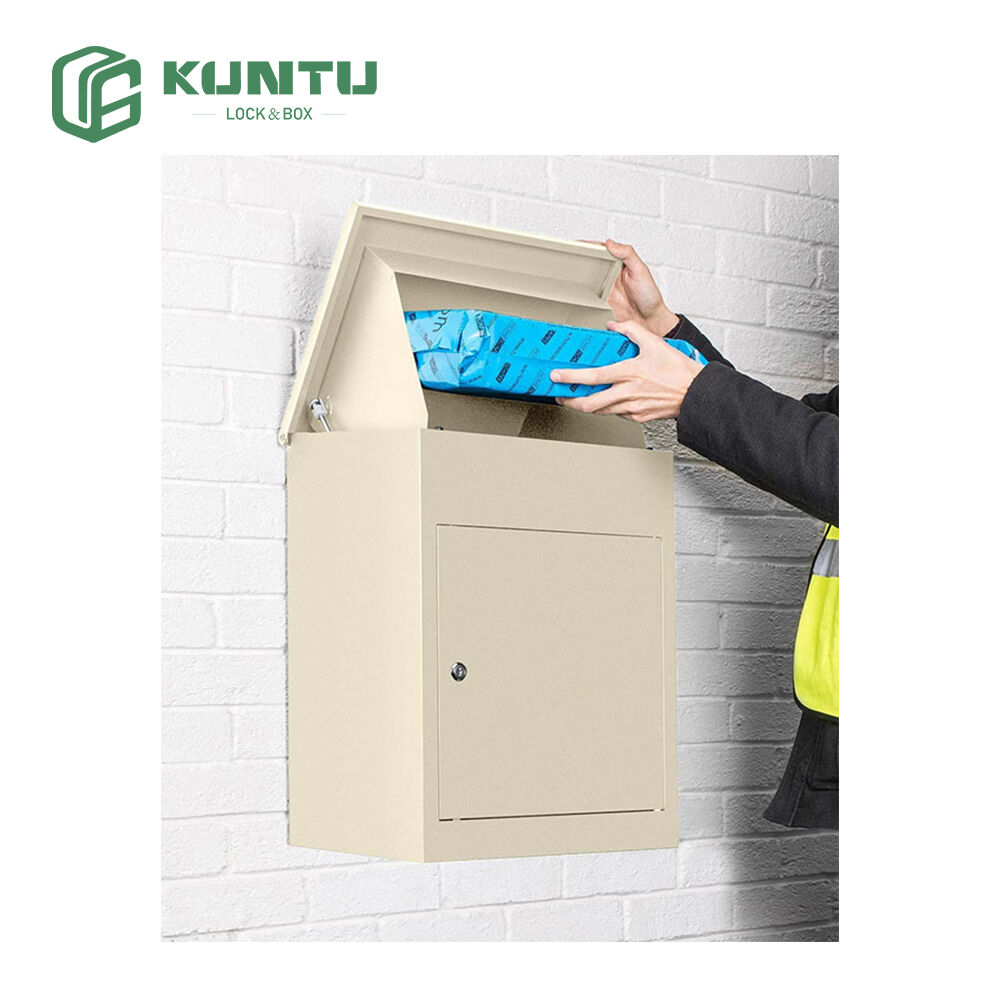
In the fabric of modern communities, connectivity and convenience are the cornerstones of a thriving neighborhood. Traditional mailboxes, once a staple for correspondence, have become obsolete in the digital age—too limited for today’s diverse needs, from secure document delivery to community engagement. Enter the smart parcel deposit box: no longer just a tool for package storage, it has evolved into a multifunctional community hub. By redefining the role of mailboxes as integrated nodes for government notices, community flyers, and neighbor-to-neighbor small item sharing, smart parcel deposit boxes bridge gaps in communication, streamline logistics, and strengthen community bonds—transforming ordinary infrastructure into a vital community portal.
Government and administrative communications are critical to community functioning, yet traditional delivery methods often face inefficiencies: paper notices get lost, stolen, or overlooked in unsecured mailboxes, while digital notifications may miss residents without reliable internet access. Smart parcel deposit boxes solve these pain points by serving as a secure, centralized channel for official correspondence. Local governments, postal services, and utility companies can use dedicated compartments within the parcel deposit box to deliver sensitive documents—such as tax bills, voter registration forms, building permits, and emergency alerts—ensuring they reach residents safely. With tamper-proof locks, real-time delivery notifications, and access control features, the boxes guarantee the confidentiality and traceability of government notices, eliminating the risk of loss or unauthorized access. For elderly residents or those with mobility challenges, this secure delivery method reduces the need for in-person visits to government offices, enhancing accessibility and convenience.
Beyond official communications, smart parcel deposit boxes act as a dynamic platform for community engagement, breathing life into neighborhood interactions. Community management teams and local organizations can leverage the boxes to distribute event flyers, volunteer recruitment notices, and neighborhood updates—ensuring information reaches every household efficiently. Unlike paper flyers posted on bulletin boards (which are easily torn down or ignored), materials placed in the parcel deposit box are protected from the elements and guaranteed to be seen by residents when they retrieve items. Some advanced models even feature digital displays on the box exterior, allowing for rotating announcements about upcoming workshops, farmers’ markets, or charity drives—turning the parcel deposit box into an interactive information center that keeps the community informed and connected.
One of the most transformative roles of the smart parcel deposit box is fostering neighbor-to-neighbor connection through small item sharing. In tight-knit communities, residents often want to borrow or exchange small items—books, kitchen tools, gardening equipment, children’s toys, or homemade treats—but scheduling in-person handovers can be cumbersome. The parcel deposit box eliminates this barrier by serving as a 24/7 shared storage space for such items. Neighbors can coordinate via community apps or social groups, then deposit or retrieve items in designated compartments of the box, using unique access codes to ensure security. This peer-to-peer sharing not only reduces waste (by encouraging reuse of items) but also builds trust and camaraderie among residents. A book left in the parcel deposit box for a neighbor becomes a conversation starter; a borrowed tool strengthens mutual reliance—turning the box into a catalyst for deeper community cohesion.
To fulfill its role as a multifunctional community hub, a smart parcel deposit box must be designed with versatility, security, and accessibility in mind. Modular compartment design is essential: small slots for letters and flyers, medium compartments for books and tools, and larger spaces for bulky government documents or multiple shared items. Smart features such as app-controlled access, one-time use codes, and activity logs allow residents and administrators to track who accessed the box and when, ensuring accountability for shared items and official communications. Weather-resistant construction and durable materials ensure the box withstands outdoor conditions, making it suitable for installation in community centers, residential complexes, or neighborhood squares. For enhanced accessibility, boxes should include height-adjustable compartments to accommodate residents with disabilities, as well as clear labeling for different functions (government notices, community flyers, item sharing) to avoid confusion.
The integration of smart parcel deposit boxes into communities also offers long-term value for property managers and local governments. By centralizing mail, package, and notice delivery, the boxes reduce clutter in lobbies and common areas, lowering maintenance costs. The data collected from the boxes—such as usage frequency, popular shared item categories, and engagement with community announcements—provides valuable insights to optimize community services. For example, if the box sees high demand for book sharing, managers can add more dedicated compartments or launch a community library initiative. Additionally, the parcel deposit box serves as a visible symbol of a forward-thinking community, enhancing the appeal of residential areas and fostering a sense of pride among residents.
In an era where digital communication often isolates individuals, the smart parcel deposit box reclaims the role of physical infrastructure as a unifying force. By transcending its original purpose of package storage to become a hub for government notices, community engagement, and neighborly sharing, it transforms how residents interact with their community and each other. This multifunctional solution doesn’t just solve logistical problems—it builds stronger, more connected neighborhoods where information flows freely, resources are shared, and relationships thrive. As communities seek innovative ways to enhance cohesion and convenience, the smart parcel deposit box emerges as an indispensable tool—proving that even the most ordinary infrastructure can be reimagined to become the heart of a community.