
 EN
EN
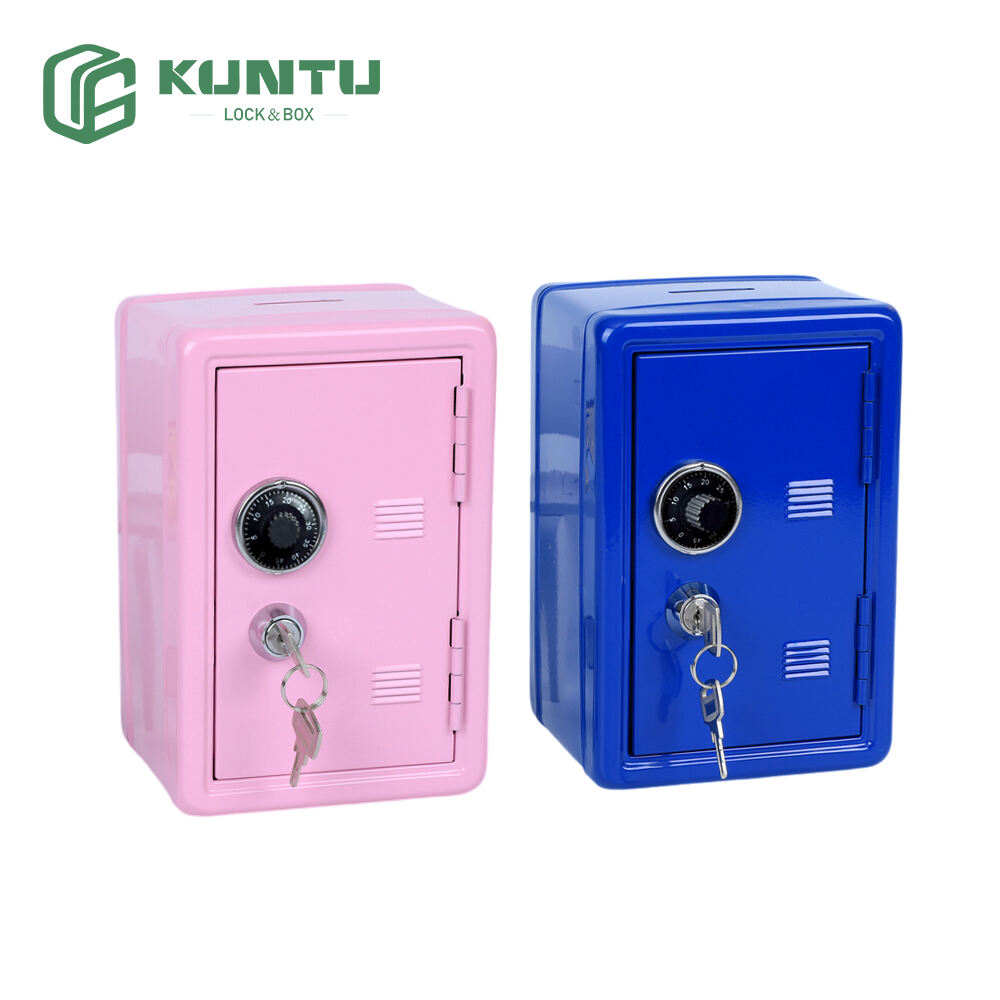
Unmatched Physical Protection Against Theft, Fire, and Flood
Fireproof and Waterproof Construction: Engineering Standards and Real-World Resilience
Today's modern safes can handle serious heat thanks to their UL (Underwriters Laboratories) fire ratings. These safes actually stand up to temperatures over 1,850 degrees Fahrenheit for as long as two hours, way past the 451 degree mark where paper starts burning. For those concerned about water damage too, there are waterproof models that follow UL Class 350 standards. They keep things dry inside even when submerged completely for 24 straight hours, controlling humidity levels so they stay below 85%. Real world tests back these claims up. During the terrible wildfires in California in 2023, most people lost everything when buildings collapsed, but UL rated safes saved important papers in about 9 out of 10 situations. How do they work? The secret lies in special ceramic fiber insulation that swells when it gets hot, sealing any cracks or openings. Underwater protection comes from hydraulic seals that kick in automatically when water pressure builds up around them. Companies that invest in these certified fireproof safes have seen something remarkable happen after disasters strike their offices - document recovery expenses drop by roughly 63%, according to industry data from NFPA in 2024.
Advanced Access Control and Surveillance Integration for Commercial and Residential Use
Security systems today go beyond simple locks thanks to biometric scanners, time delay locks, and those dual auth setups where someone needs both a code and a physical key. These layers work best when they play nice with whatever security infrastructure already exists at a location. For businesses, commercial grade equipment can talk directly to surveillance cameras, setting off alarms automatically whenever someone tries to get in without permission while recording exactly when each attempt happens. Homeowners love fingerprint readers because no more lost keys means one less thing to worry about. According to research published last year, homes protected by these advanced safe systems saw almost three quarters fewer break ins compared to traditional methods. Most insurance companies now actually require these double check systems as part of their policies, which often translates into savings on premiums somewhere around 15 to maybe even 30 percent depending on coverage details. And let's not forget about those encrypted smartphone apps that let property managers keep tabs on who comes and goes from anywhere, anytime – super handy for places where multiple people need access but everyone should know exactly who was there when.
Guaranteed Confidentiality and Peace of Mind for High-Value Assets
Legal Safeguards: Anonymity, Non-Disclosure Agreements, and Regulatory Compliance
Safe boxes that have been certified come with serious protection measures these days. They include things like biometric locks and automatic tracking systems that actually meet all those financial regulations people worry about. This helps get rid of problems that happen when someone tries to keep records manually. The way these boxes work also makes sure no one outside can look inside unless the owner gives permission directly. Think about it - banks need this kind of security because they deal with money all day long. And guess what? These security features fit right into the rules set out by GDPR and CCPA for protecting private info and financial details too. So businesses know their clients' data stays safe from prying eyes.
Behavioral Impact: Documented Reduction in Financial Anxiety Among Safe Box Users
Having a certified safe box really cuts down on the stress people feel when their assets are at risk. According to Ponemon's research last year, around two thirds of folks said they felt less worried about money matters once they put their valuables somewhere secure. They mentioned that knowing nothing could get tampered with gave them mental stability during tough times. The sense of security comes from avoiding problems like someone stealing personal info, family arguments over what happens to stuff after death, or competitors sneaking into company secrets. When paired with round the clock monitoring systems and instant notifications if anything goes wrong, these safety measures turn what was just another chore of protecting possessions into actual peace of mind for most owners. People aren't just storing things anymore; they're creating a barrier against all sorts of headaches down the road.
Strategic Safeguarding of Critical Documents and Irreplaceable Valuables
Good quality safes offer real protection for those things we can't replace and all those important papers nobody should see. Think about it: property deeds, birth certs, wills... stuff like that needs proper storage away from prying eyes. And don't forget about family treasures, valuable collections, maybe even some emergency cash tucked away somewhere. The best safes on the market today are built tough against drilling attempts and come equipped with fancy locks that keep out unwanted hands. Most modern models also have access controls so only certain people can get into them, which cuts down on identity theft risks and keeps sensitive info private. When disaster strikes, having everything organized in one place makes finding what's needed much easier instead of rummaging through boxes later. Just remember to back up important docs digitally too, preferably somewhere different from where they're physically stored. That way nothing gets lost if something happens to either location.
Insurance Optimization and Reduced Liability Exposure
How a Certified Safe Box Lowers Personal Property Insurance Premiums and Expands Coverage
Homeowners who install certified safe boxes usually see their personal property insurance premiums drop between 15% and 25%. Insurance companies view these security devices as real game changers when it comes to risk management. When valuable stuff stays protected from theft or damage, policyholders show they take responsibility seriously. This translates directly to cheaper insurance bills and better coverage options for things like expensive jewelry, stacks of cash, or important papers that most policies limit anyway. The benefits go beyond just saving money on premiums too. These safes cut down on potential liability problems by keeping prying eyes away from sensitive possessions. Fewer people getting into things they shouldn't means fewer arguments and legal headaches down the road. More and more insurance providers are starting to reward customers who take proactive steps like this. A good quality safe isn't just another expense it's actually smart money spent twice over.
Streamlined Estate Planning with Controlled, Legally Enforceable Access
Executor Protocols, Probate Avoidance, and Digital Legacy Management via Safe Box
Putting together a safe deposit box as part of an estate plan creates a solid legal structure for distributing assets while making things much simpler during probate. When executors need to get their hands on important papers like wills, trust documents, and property deeds, they can do so quickly and securely thanks to biometric scans or special access codes set up ahead of time. This helps avoid those frustrating court delays that often take around 16 months according to the American Bar Association from 2023. The system also lets families pass down physical items such as family jewelry or valuable heirlooms directly to loved ones without going through probate at all, which saves about 34% on admin costs. What's more, today's tech allows people to store sensitive digital information safely too. Think about cryptocurrency wallet keys, login details for social media accounts, even subscriptions to streaming services all kept in separate sections within the vault. Centralizing everything this way with proper court approved access rules actually accomplishes several goals at once. It stops fights over what someone wanted with clear records, keeps many everyday items out of probate entirely, and makes sure digital stuff gets handled exactly how the person who passed away originally intended.
Frequently Asked Questions (FAQ)
What are UL fire ratings?
UL fire ratings refer to certifications from Underwriters Laboratories that assess the fire resistance of safes. A UL rated safe can withstand high temperatures for specific durations, providing protection against fire damage.
How do modern safes ensure both fireproof and waterproof protection?
Modern safes use ceramic fiber insulation for fireproofing and hydraulic seals for waterproof protection. The insulation swells under heat to seal gaps, while the seals activate under water pressure to prevent leakage.
Can these advanced safes integrate with existing security systems?
Yes, advanced safes can integrate with existing security systems, such as surveillance cameras and alarms, to provide a seamless and enhanced protection setup.
How do certified safes impact insurance premiums?
Certified safes can lead to reductions in insurance premiums because they are considered effective risk management tools, reducing the likelihood of loss due to theft or damage.
What role do safes play in estate planning and probate avoidance?
Safes streamline estate planning by providing controlled access to important documents and assets, facilitating quick distribution and helping avoid lengthy probate processes.
Table of Contents
- Unmatched Physical Protection Against Theft, Fire, and Flood
- Guaranteed Confidentiality and Peace of Mind for High-Value Assets
- Strategic Safeguarding of Critical Documents and Irreplaceable Valuables
- Insurance Optimization and Reduced Liability Exposure
- Streamlined Estate Planning with Controlled, Legally Enforceable Access
- Frequently Asked Questions (FAQ)