
 EN
EN
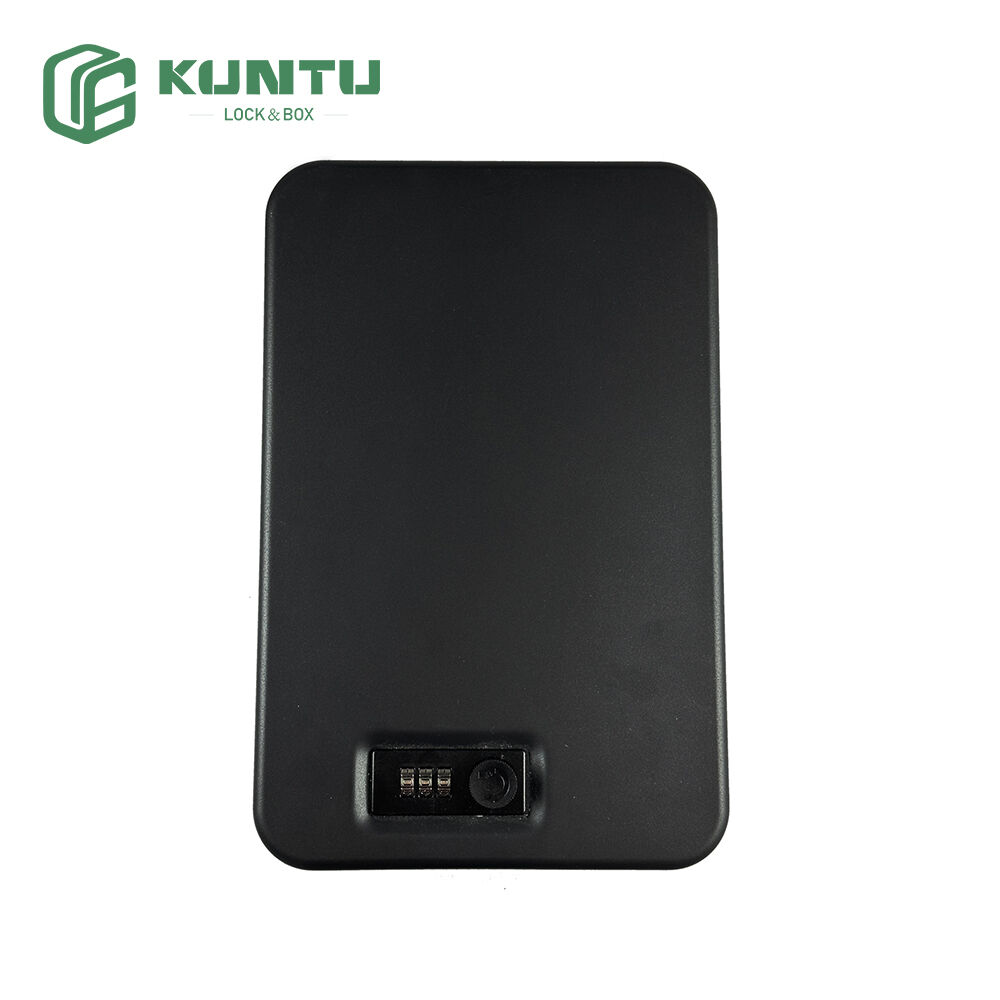
For modern business professionals, the office is no longer confined to a fixed desk—it moves with them to hotels, client boardrooms, co-working spaces, and airport lounges. This mobility brings unparalleled flexibility, but it also exposes critical assets to significant risks: confidential contracts, sensitive client data, hardware security tokens, backup phones, and portable drives are constantly at risk of theft, loss, or unauthorized access. Unlike a traditional office with locked file cabinets and security systems, temporary workspaces offer little to no protection for high-value, sensitive items. The solution lies in a purpose-built portable business personal safe—engineered with fireproof, tamper-resistant features to safeguard both physical documents and digital devices. This article explores how this essential tool fortifies the "mobile office," ensuring information and asset security across every business destination.
The Dual Security Risks of the Mobile Business Lifestyle
Business professionals face a unique set of security challenges when working on the go, with risks targeting both physical assets and the sensitive information they contain. Physical theft is a pervasive threat: a laptop left unattended in a hotel lobby or a briefcase forgotten in a client’s office can be stolen in seconds, putting confidential data and proprietary information at risk. Even when items are within sight, opportunistic theft or unauthorized access by staff (e.g., hotel housekeepers, office assistants) remains a concern.
Beyond theft, accidental damage and data breaches compound the risk. Spilled coffee in a meeting room can ruin critical documents, while a lost hardware token—used to access corporate networks—can lead to unauthorized system access and data leaks. A 2025 global business security report found that 32% of professionals have experienced the loss or theft of work-related items while traveling, with 45% of those incidents resulting in data exposure or financial losses. For businesses, the cost of such breaches includes not only financial penalties (e.g., GDPR, HIPAA fines) but also irreparable damage to client trust and brand reputation. Traditional briefcases or laptop bags offer minimal protection, making a specialized personal safe a non-negotiable tool for the mobile professional.
Key Features of a Portable Business Personal Safe
A high-quality portable business personal safe is designed to address the unique needs of on-the-go professionals, blending robust security with compact, travel-friendly design. The most critical features focus on protecting against theft, fire, and tampering—ensuring comprehensive security for both physical and digital assets.
1. Fireproof and Water-Resistant Construction
Confidential documents, hard drives, and hardware tokens are vulnerable to fire and water damage—risks that extend beyond theft. Premium personal safes for business use feature a fireproof rating of at least 30 minutes at 1550°F (843°C), enough to protect paper documents and digital devices from smoke, flames, and heat damage. A durable rubber gasket around the lid creates a water-resistant seal, safeguarding items from accidental spills, rain, or sprinkler systems in the event of a fire.
The fireproof barrier is typically constructed from layered materials—including fire-retardant insulation and a steel outer shell—that slow heat transfer and prevent internal temperatures from rising to levels that damage documents or electronics. For digital assets like hard drives and backup phones, this protection is critical: extreme heat can corrupt data permanently, even if the device itself remains intact.
2. Tamper-Resistant Design and Secure Locking Mechanisms
To deter theft and unauthorized access, a business personal safe must feature a tamper-resistant build and reliable locking system. Heavy-gauge steel construction, anti-pry edges, and reinforced hinges prevent thieves from forcing the safe open with basic tools like screwdrivers or crowbars. Some advanced models include a "lockdown" mechanism that engages if tampering is detected, making it nearly impossible to access the contents without the proper credentials.
Locking mechanisms should prioritize both security and convenience for frequent travelers. Biometric locks (fingerprint scanners) offer quick, keyless access while ensuring only authorized users can open the safe—eliminating the risk of lost keys or forgotten combinations. Combination locks with durable dials are a reliable alternative, with some models featuring resettable codes for added flexibility. For maximum security, look for safes with dual-lock systems (e.g., biometric + combination) that require two forms of authentication to access contents.
3. Compact, Portable, and Travel-Friendly Design
A business personal safe must be lightweight and compact enough to fit in a carry-on bag, briefcase, or rolling luggage—without adding excessive bulk. Most high-quality models weigh between 3-6 pounds and measure 10x8x4 inches or smaller, making them easy to transport between hotels, client offices, and airports. Some designs feature a built-in handle or removable shoulder strap for hands-free carrying, while others are slim enough to slide into a laptop compartment.
The interior of the safe is often lined with soft, scratch-resistant foam to protect delicate devices like backup phones and hardware tokens from damage during transport. Partitioned compartments or adjustable dividers help organize documents, drives, and small items, preventing them from shifting around and getting damaged. This combination of portability and organization makes the personal safe a seamless addition to the mobile office.
Scenario-Specific Use of Personal Safes for Business Professionals
Hotel Stays
Hotels are a common temporary workspace, but their built-in safes are often unreliable (with universal override codes) or too small to fit large documents or multiple devices. A portable personal safe solves this by providing a secure, private storage solution. Professionals can store confidential contracts, laptops, hardware tokens, and backup phones in the safe while attending meetings or exploring the city. For added security, the safe can be anchored to a fixed object (e.g., hotel room desk leg, bed frame) using an optional steel cable—preventing thieves from carrying the entire safe away.
Client Offices and Meetings
During on-site client meetings, professionals often need to step away briefly—leaving sensitive materials unattended. A portable personal safe can be stored under a conference table or in a secure corner, keeping documents and devices safe while the user is away. The compact design allows it to be easily transported into client offices without drawing attention, and the tamper-resistant features ensure no one can access the contents without authorization. This is particularly critical for meetings involving confidential negotiations or proprietary data.
Airport Lounges and Travel Hubs
Airport lounges and train stations are high-traffic areas with a high risk of theft. A personal safe provides peace of mind when stepping away to grab food, use the restroom, or take a call. The fireproof and water-resistant features also offer protection in the event of unexpected incidents (e.g., spills, small fires) in crowded travel spaces. For long-haul flights, the safe can be packed in carry-on luggage to keep valuables close at hand, avoiding the risks of checked luggage theft or damage.
How to Choose the Right Personal Safe for Business Use
Selecting the ideal personal safe depends on your specific assets, travel habits, and security needs. Consider these key factors:
-
Fireproof Rating: Opt for a safe with a minimum 30-minute fire rating at 1550°F to protect both documents and electronics. Look for certifications from independent labs (e.g., UL, ETL) to verify the rating.
-
Lock Type: Biometric locks are best for quick access and high security, while combination locks are ideal for those who prefer not to rely on battery-powered features. Dual-lock systems offer the highest level of protection.
-
Size and Weight: Ensure the safe fits in your travel bag and is lightweight enough to carry comfortably. Measure your largest item (e.g., laptop, legal-sized documents) to confirm a proper fit.
-
Durability: Prioritize steel construction with anti-pry edges and reinforced hinges. A scratch-resistant finish will help the safe maintain a professional appearance after frequent use.
-
Additional Features: Look for optional steel cables for anchoring, foam-lined interiors for device protection, and water-resistant seals for added peace of mind.
Best Practices for Maximizing Personal Safe Effectiveness
-
Keep the Safe With You: Always carry the safe in your carry-on luggage or personal bag—never check it in. This reduces the risk of loss or damage during air travel.
-
Anchor It When Possible: Use a steel cable to secure the safe to fixed objects in hotel rooms or client offices. This prevents thieves from stealing the entire safe, even if they can’t open it.
-
Test the Lock Regularly: For biometric locks, update your fingerprint scan periodically to ensure reliable access. For combination locks, practice opening and closing the safe to avoid fumbling in high-pressure situations.
-
Don’t Overpack: Avoid forcing items into the safe, as this can compromise the fireproof seal and damage delicate devices. Use the interior compartments to organize items neatly.
-
Backup Digital Data: While the safe protects physical devices, always back up critical data to a secure cloud service or encrypted drive. This provides an extra layer of protection in case of device loss or damage.
Conclusion: The Personal Safe—A Cornerstone of the Mobile Office
For business professionals, the ability to work anywhere depends on trusting that sensitive assets are secure. A portable business personal safe—with its fireproof, tamper-resistant design and travel-friendly build—transforms the mobile office into a secure workspace, protecting confidential documents, hardware tokens, and backup phones from theft, damage, and unauthorized access. It eliminates the stress of leaving valuables unattended in hotels, client offices, or travel hubs, allowing professionals to focus on their work without compromising security. In an era where data breaches and asset theft pose significant risks to businesses, a personal safe is not just an accessory—it’s a critical investment in protecting information, preserving client trust, and maintaining professional peace of mind.
Table of Contents
- The Dual Security Risks of the Mobile Business Lifestyle
- Key Features of a Portable Business Personal Safe
- Scenario-Specific Use of Personal Safes for Business Professionals
- How to Choose the Right Personal Safe for Business Use
- Best Practices for Maximizing Personal Safe Effectiveness
- Conclusion: The Personal Safe—A Cornerstone of the Mobile Office