
 EN
EN
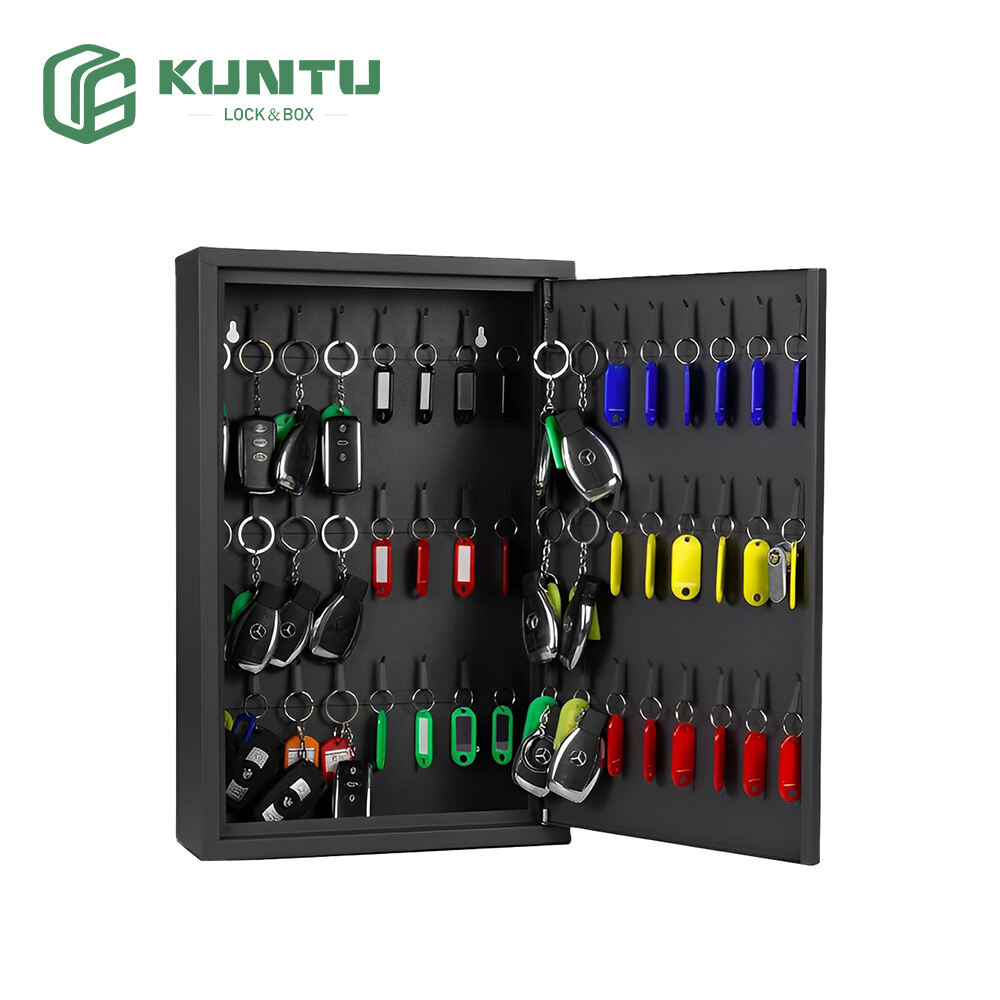
For property managers and landlords, one of the most persistent and stressful challenges is managing temporary access for third-party service providers—including repair technicians, cleaners, and pet caregivers. Balancing tenant safety, property security, and service convenience often feels like a tightrope walk: granting unrestricted access risks theft, property damage, or privacy violations, while overly rigid protocols lead to missed appointments, tenant frustration, and potential liability issues. A smart key safe lock box equipped with temporary access features has emerged as the ultimate solution, enabling precise, secure, and accountable authorization for service personnel via one-time use codes, time-window restrictions, and detailed access logs. This article explores how leveraging a key safe lock box transforms third-party access management, mitigating risks and streamlining operations for property stakeholders.
The core dilemma of third-party access lies in the trade-off between convenience and security. Traditional methods—such as tenants handing over keys in person, leaving keys under doormats, or granting permanent codes to service providers—are fraught with risks. A tenant who hands keys to a repair technician may face unauthorized entry if the keys are duplicated; a key hidden outdoors is a security loophole for burglars; and permanent codes can be misused long after the service is completed. A key safe lock box eliminates these vulnerabilities by centralizing key storage and enabling controlled temporary access. Property managers or landlords can generate unique, one-time use codes for each service call, ensuring the code becomes invalid immediately after the first use. This prevents code sharing, reuse, or unauthorized access, as the code cannot be used to enter the property again once the service is finished. For example, a landlord scheduling a plumber to fix a leak can send a one-time code to the technician via SMS, allowing them to retrieve the key from the lock box and complete the repair—with no risk of the code being used for a subsequent, unscheduled visit.
Time-window restriction functionality, a standout feature of modern key safe lock boxes, adds an extra layer of precision to temporary access management. Service appointments rarely run exactly on schedule, but granting open-ended access exposes the property to unnecessary risk. With a key safe lock box, managers can set a specific time frame during which the access code is valid—aligning with the scheduled service window and adding a buffer for delays without compromising security. For instance, a cleaning service scheduled for 10 AM to 12 PM can be issued a code that activates at 9:30 AM and expires at 12:30 PM. This ensures the cleaner can arrive a few minutes early or finish slightly late without being locked out, while preventing access outside of the intended window. For tenants who are away during the service, this feature eliminates the anxiety of wondering if the service provider will arrive too early or stay too late. For property managers, it reduces liability by ensuring access is only granted when necessary, minimizing the window for potential incidents.
Detailed access logs generated by the key safe lock box are invaluable for accountability, risk mitigation, and dispute resolution—critical for protecting property managers and landlords from liability. Every interaction with the lock box, including code usage, timestamp of key retrieval, and (in advanced models) key return, is automatically recorded in a digital log. This creates an immutable audit trail that answers the core questions: Who accessed the property? When did they enter? Did they adhere to the scheduled time window? If a tenant reports missing items or property damage after a service call, the access log can quickly confirm whether the service provider was on-site during the relevant time frame. Similarly, if a service provider claims they were locked out and missed the appointment, the log can verify if the code was used or if the time window was adhered to. A property management company in Boston reported a 60% reduction in access-related disputes after implementing key safe lock boxes, as the digital logs provided objective evidence to resolve conflicts between tenants, service providers, and the management team. This accountability also encourages service providers to act responsibly, knowing their access is being tracked.
For tenants, a key safe lock box enhances privacy and convenience, fostering positive landlord-tenant relationships. Many tenants value their privacy and prefer not to be present during repairs or cleaning services, but are hesitant to grant access without oversight. The lock box’s temporary access features allow tenants to enjoy peace of mind while away, knowing the service provider has limited, tracked access to their home. Pet owners benefit particularly: when scheduling pet caregivers to check on animals while the tenant is traveling, a time-restricted code ensures the caregiver can access the property only during the scheduled visits. Additionally, the contactless nature of key retrieval eliminates the need for tenants to coordinate in-person key handoffs with service providers, saving time and reducing scheduling conflicts. This convenience translates to higher tenant satisfaction, lower turnover rates, and fewer maintenance-related complaints.
Property managers overseeing multiple units can leverage key safe lock boxes to scale their third-party access management efficiently. Cloud-connected key safe lock boxes allow managers to control access for all properties from a centralized dashboard, generating codes, adjusting time windows, and reviewing access logs remotely—without needing to be on-site. This is particularly valuable for multi-family buildings or rental portfolios, where coordinating service access across dozens of units can be time-consuming. For example, a property manager overseeing 50 rental units can schedule cleaning services for 10 units in a single day, generate unique one-time codes for each cleaner, set time windows for each unit, and monitor all access activity in real time via a mobile app. This automation reduces administrative overhead, eliminates manual logkeeping, and ensures consistency in access protocols across the portfolio. Integration with property management software (PMS) further streamlines operations, allowing access codes to be linked to service requests and tenant records for seamless workflow management.
To maximize the security and utility of a key safe lock box for third-party access, property managers and landlords should prioritize specific features. Opt for models that support both one-time use codes and customizable time windows, ensuring flexibility for different service types. Tamper-proof construction and weatherproof designs are essential, especially for outdoor-mounted lock boxes, to prevent physical breaches. Remote monitoring and real-time alerts enable immediate action if unusual activity is detected—such as multiple failed code attempts or access outside the set time window. Additionally, choose lock boxes with user-friendly interfaces for both managers and service providers, as complex systems may lead to errors or non-compliance. For tenants, clear communication about how the lock box works, how codes are generated, and how access is tracked helps build trust in the system.
In conclusion, the key safe lock box is a transformative tool for managing third-party service access, addressing the core pain points of property managers, landlords, and tenants alike. By leveraging one-time use codes, time-window restrictions, and detailed access logs, it eliminates the risks associated with traditional access methods while enhancing convenience and accountability. For property stakeholders, this means reduced liability, streamlined operations, and improved tenant satisfaction. As the demand for secure, flexible temporary access solutions grows, the key safe lock box has become an essential component of modern property management—turning a high-stress challenge into a controlled, efficient process.