
 EN
EN
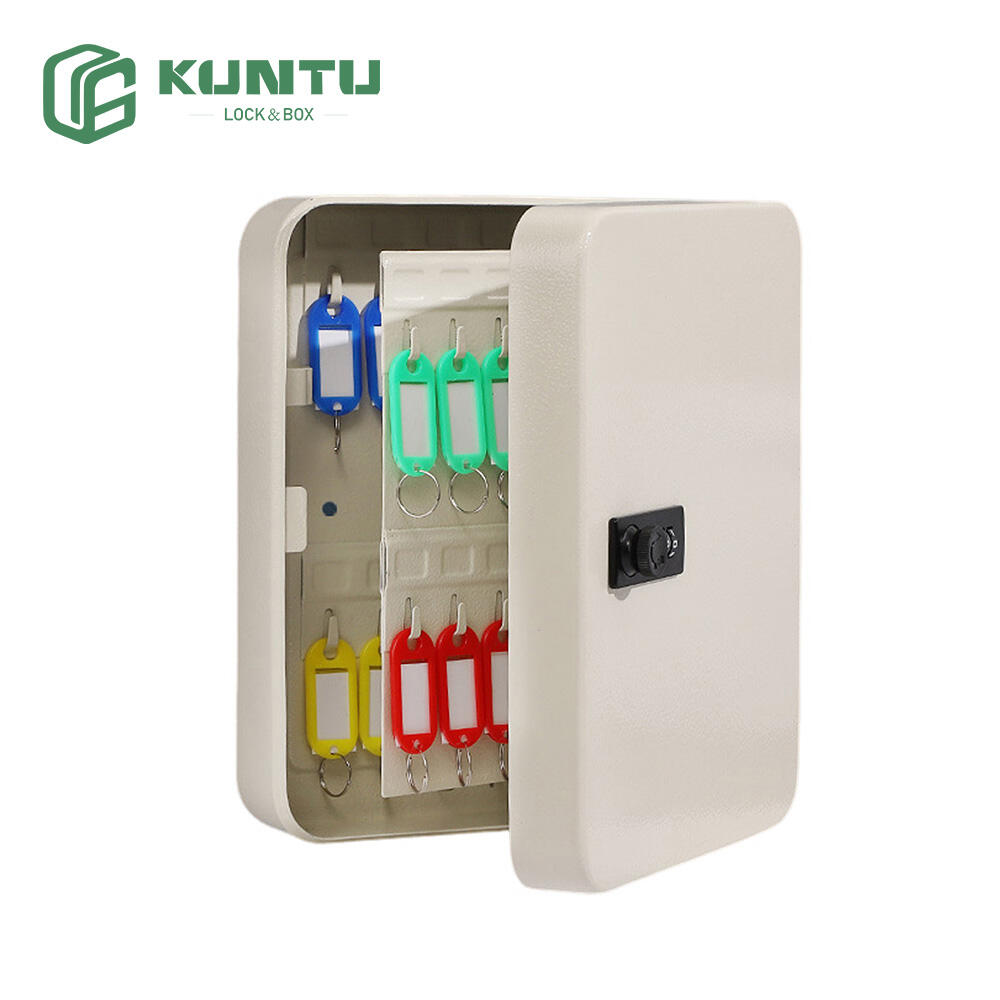
The P2P car rental and small-scale RV rental markets are booming, driven by travelers’ demand for flexibility and cost-effective mobility solutions. However, for rental operators—whether individual P2P hosts or small fleets—traditional vehicle handover processes have become a critical operational bottleneck. Relying on in-person key exchanges limits business hours to fixed windows, increases labor costs, and fails to cater to travelers arriving or departing at off-peak times, such as late-night flights or early-morning train rides. A password-protected key safe lock box has emerged as the secret weapon for these operators, enabling 24/7 unmanned vehicle handover, expanding service coverage to high-traffic hubs like airports and stations, and slashing operational costs—all while enhancing the user experience. This article explores how integrating a key safe lock box into rental workflows revolutionizes car and RV sharing operations.
The biggest pain point for small rental operators is the limitations of manual key handovers. For P2P hosts managing a handful of vehicles or small fleets serving tourist destinations, hiring staff for round-the-clock key exchange is financially unfeasible. This forces operators to restrict rental windows to daytime hours, turning away bookings from travelers with irregular schedules— a significant missed revenue opportunity, especially at transportation hubs where arrivals and departures are constant. A key safe lock box eliminates this constraint by serving as a secure, unattended key storage solution. Operators can install lock boxes at pre-designated, easily accessible locations—such as airport parking lots, train station pickup zones, or downtown public parking areas—where renters can retrieve and return keys independently. By generating unique, time-bound access codes for each rental, operators ensure that only the authorized renter can access the keys during their rental period, eliminating the need for in-person supervision and extending business hours to 7x24.
Airports and train stations, as high-potential rental hubs, benefit particularly from key safe lock box-enabled unmanned handover. Travelers using these hubs often have tight schedules, with flights or trains arriving late at night or departing early in the morning. Traditional rental services with limited hours leave these travelers stranded or forced to book more expensive alternatives. A key safe lock box placed in airport long-term parking or near station exits allows renters to pick up their vehicle keys immediately upon arrival, regardless of the time. For example, a small RV rental company serving a major airport implemented key safe lock boxes at two parking lots near the terminal. Within three months, the company saw a 40% increase in bookings from out-of-town travelers, as the 24/7 unmanned service eliminated the hassle of coordinating with staff. Similarly, P2P car hosts near train stations reported a 35% rise in weekend bookings, as renters could collect keys after work on Fridays and return them on Sunday evenings without host involvement.
Cost reduction is another core advantage of using key safe lock boxes for car and RV rentals, directly boosting profit margins for small operators. Labor costs associated with key handovers—including staff salaries, overtime pay, and travel expenses for mobile handovers—can account for 20-30% of a small rental business’s operational budget. By switching to unmanned handover via key safe lock boxes, operators can eliminate these costs entirely. For instance, a P2P car host managing 5 vehicles previously spent 15 hours per week on key handovers, often driving across the city to meet renters. After installing key safe lock boxes at centralized locations, the host reduced handover time to less than 2 hours per week (for monitoring and maintenance), reallocating the remaining time to marketing and customer service. Additionally, the elimination of missed handovers—due to traffic delays or renter no-shows—reduces revenue losses, as the lock box ensures keys are available as scheduled, and renters can complete the handover process without operator intervention.
The security and accountability of key safe lock boxes further solidify their value for rental operations. Unlike leaving keys in the vehicle or hiding them in unsecure locations—common workarounds for small operators—premium key safe lock boxes feature anti-pry steel construction, weatherproof housings, and password-protected access. Operators generate a unique access code for each rental, tied to the exact rental period (e.g., from 3 PM on Friday to 10 AM on Sunday). Once the rental ends, the code expires automatically, preventing unauthorized access to the keys or vehicle. Additionally, smart key safe lock boxes log every access event, capturing the timestamp and code used—providing a clear audit trail if disputes arise, such as damage claims or late returns. For example, if a renter claims to have returned the keys on time, the operator can verify the return via the lock box’s access log, resolving the dispute quickly and fairly. This level of security and accountability protects both the operator’s assets and the renter’s interests.
User experience is a critical differentiator in the competitive rental market, and key safe lock boxes deliver a seamless, frictionless process for renters. Modern travelers—especially millennials and Gen Z—prefer self-service solutions that allow them to manage their rentals on their own schedule. With a key safe lock box, renters receive the access code and lock box location via SMS or email before their rental period, along with simple instructions for key retrieval. They can pick up the keys at their convenience, avoid waiting for staff, and start their journey immediately. For RV renters, who often embark on road trips with flexible itineraries, the ability to return keys outside of business hours eliminates the stress of rushing to meet deadlines. This seamless experience leads to higher customer satisfaction scores, positive reviews, and repeat bookings—critical for small operators looking to build a loyal customer base.
To maximize the benefits of key safe lock boxes for rental operations, operators should prioritize location strategy and device functionality. For airport and station locations, choose lock box mounting spots that are well-lit, visible, and easily accessible via public transportation or foot traffic—avoiding obscure areas that may confuse renters. Opt for smart key safe lock boxes with remote code management capabilities, allowing operators to generate, modify, or revoke codes via a mobile app or web portal—essential for managing last-minute booking changes or cancellations. Weatherproof and durable designs are non-negotiable, as lock boxes placed outdoors must withstand extreme temperatures, rain, snow, and potential vandalism. For RV rentals, consider larger lock box models that can accommodate oversized RV keys or key fobs, ensuring compatibility with all vehicle types.
In conclusion, the key safe lock box is a transformative tool for P2P car and RV rental operators, unlocking the potential for 24/7 unmanned operations, cost reduction, and enhanced user experiences. By eliminating the need for in-person key handovers, it allows small operators to compete with larger rental companies by offering flexible, around-the-clock service at high-traffic hubs like airports and stations. With its robust security features, accountability through access logs, and seamless self-service experience, the key safe lock box has become an essential operational secret for thriving in the competitive car and RV sharing market. As traveler demand for flexibility continues to grow, integrating a key safe lock box into rental workflows is no longer an option but a necessity for operators looking to scale their business and boost profitability.