
 EN
EN
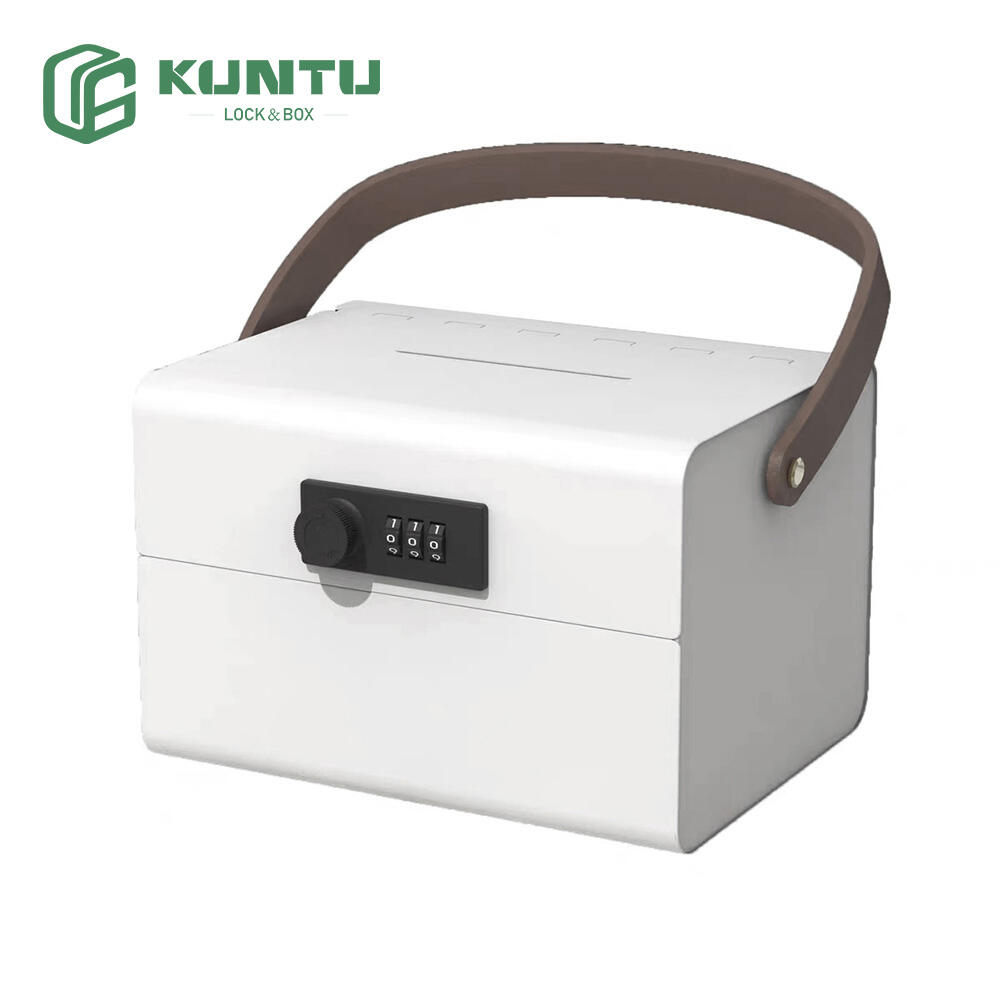
Match Your Safe Box to Threat Level: Burglary and Fire Ratings
Why 'Safe Box' Isn't One-Size-Fits-All: Understanding Risk vs. Valuation
When picking out a safe box, people should match what kind of protection they get with what actually threatens their stuff and how much their valuables are worth. Someone keeping family heirlooms that can't be replaced faces totally different dangers compared to someone who just wants to store guns or property papers safely at home. The security needed for $500 worth of jewelry isn't the same as what's required for $10,000 in collectibles. According to the Security Industry Association report from last year, around two thirds of folks buying safes look mostly at price instead of thinking about real threats first. That usually means important things end up not being protected enough. Think about what might happen in different situations too. What if someone breaks in quickly and steals stuff? Or maybe there's a fire that destroys documents over time? For really valuable items, getting a TL-30 rated safe makes sense. But regular old documents probably don't need anything fancier than basic RSC certified containers.
Decoding UL Certifications: RSC, TL-15, TL-30, and Class 350 Fire Ratings
Underwriters Laboratories (UL) certifications provide objective benchmarks for comparing security levels. Key ratings include:
| UL Certification | Attack Resistance | Fire Protection | Use Case |
|---|---|---|---|
| RSC | 5 minutes | None | Low-value home items |
| TL-15 | 15 minutes | Optional | Cash/Moderate jewelry |
| TL-30 | 30 minutes | Optional | High-value assets |
| Class 350 Fire | N/A | 30–120 mins | Paper documents |
TL-rated units undergo forced-entry testing with tools like grinders and drills. Fire-rated safes maintain internal temperatures below 350°F (177°C) to prevent paper combustion. Combined burglar-fire models offer dual protection but add weight and cost. Always verify current UL labels—expired certifications indicate outdated standards.
Real-World Matching: Selecting the Right Safe Box for Jewelry, Firearms, or Important Documents
Tailor your safe box choice to content vulnerabilities:
- Jewelry/Gold: Prioritize TL-15+ burglary ratings with humidity control
- Firearms: Combine quick-access locks (biometric/digital) with TL-15 minimum ratings
- Paper Documents: Focus on UL Class 350 fire protection with 1-hour minimum endurance
-
Digital Media: Require Class 125 fire ratings to prevent melting under 125°F (52°C)
For inheritance documents or business contracts, supplement physical safes with offsite backups. Firearm owners should anchor units to prevent walkaway thefts—unsecured safes suffer 3× higher theft rates (FBI Uniform Crime Report 2022). Revisit protections annually as asset values and household risks evolve.
Choose the Optimal Safe Box Type by Primary Use Case
Fireproof vs. Burglar-Fire vs. Concealed Wall/Floor Safe Box: Key Functional Differences
Fire resistant safes are designed mainly to protect documents, using special insulation that keeps things cool inside even when outside temps hit around 350 degrees Fahrenheit or so during a fire situation which is really important for keeping paper stuff intact. Some models combine burglary resistance with fire protection features like thick steel walls at least 12 gauge thick plus those anti pry bars that make it hard for thieves to get in while also holding up against heat damage. The ones built into walls or floors can be pretty sneaky looking but generally don't have the same level of fire resistance as standalone units. These hidden options work well enough for storing small amounts of cash or jewelry that need to be grabbed fast in places where security risks aren't too high.
Avoiding Misfit Purchases: When a Gun Safe Box Is Overkill for Paper Records
Biometric gun safes built for quick access to firearms usually go way beyond what someone actually needs for keeping documents safe. The heavy duty steel and fancy locks just drive up the price tag without much benefit for papers. When it comes to important paperwork, regular folks can get away with spending about 40 percent less on a UL Class 350 rated fireproof safe that stands up better to flames. Putting guns inside these cheaper fireproof boxes though? That's asking for trouble when someone decides to break in. Most basic models won't stop determined thieves from getting whatever they want inside.
Secure Installation and Build Quality: Non-Negotiable Physical Safeguards
Anchoring Matters: Why Unbolted Safe Boxes Are 3× More Likely to Be Stolen
An unanchored safe box becomes a burglar’s convenience. Industry data reveals unbolted units are stolen three times more frequently than secured models (Security Journal, 2023). Professional installation into structural framing—concrete floors or wall studs—transforms your safe into a fixed obstacle. Tactical anchoring kits should include:
- Vibration-resistant concrete anchors
- Tamper-proof mounting plates
- Shear-resistant bolts exceeding ½-inch diameter
Steel Thickness, Boltwork Design, and Anti-Pry Features That Actually Matter
Compromised steel invites pry attacks. Prioritize these material specifications:
| Security Tier | Steel Gauge | Bolt Diameter | Anti-Pry Standard |
|---|---|---|---|
| Residential | 12-gauge | 1" | ¼" door gap |
| Commercial | 10-gauge | 1.5" | ⅛" door gap |
Thicker steel (measured in lower gauge numbers) resists sledgehammer strikes. Boltwork should engage on all four sides, while continuous hinge designs eliminate external pry points. Avoid models with external hinges—these create fatal vulnerabilities.
Balance Instant Access with Reliable Security: Lock Mechanisms Compared
Biometric, Digital Keypad, and Mechanical Dial: Pros, Cons, and Environmental Realities
Selecting the right lock mechanism requires balancing speed of access against reliability and security. Each option serves distinct needs:
- Biometric scanners (fingerprint recognition) enable near-instant entry—ideal for emergency access to firearms or medications—but may fail with wet/dirty fingers or extreme temperatures.
- Digital keypads offer customizable codes and quick daytime access, though battery dependence risks lockouts during power outages, and cheap models can be vulnerable to brute-force attacks.
- Mechanical dials provide tamper-proof reliability without electronics, surviving floods or fires, but require memorizing combinations and slow entry (30+ seconds)—unsuited for urgent scenarios.
Consider environmental factors: humid climates degrade biometric sensors, while freezing temperatures drain keypad batteries. For irreplaceable items like heirlooms, prioritize mechanical robustness; for frequent-access valuables, weigh convenience against backup requirements.
FAQs
What is the difference between a TL-rated safe and an RSC-rated safe?
TL-rated safes offer higher resistance to burglary attacks, subjected to rigorous testing against mechanical tools, making them suitable for valuable assets. RSC-rated safes provide basic security over a short time, suitable for low-value items.
Should I choose a fireproof or burglar-proof safe box?
Your choice should depend on the primary threat you anticipate. If fire risk is higher, prioritize fireproof safes. For theft concerns, a burglar-proof safe is essential.
Can I use a biometric lock in all environments?
Biometric locks perform best in stable environments. High humidity or extreme temperatures can affect sensor accuracy. In such conditions, consider mechanical or digital keypad locks.
How often should I reassess my safe box protection levels?
Reevaluate your security needs annually or when asset values and household risks change significantly.