
 EN
EN
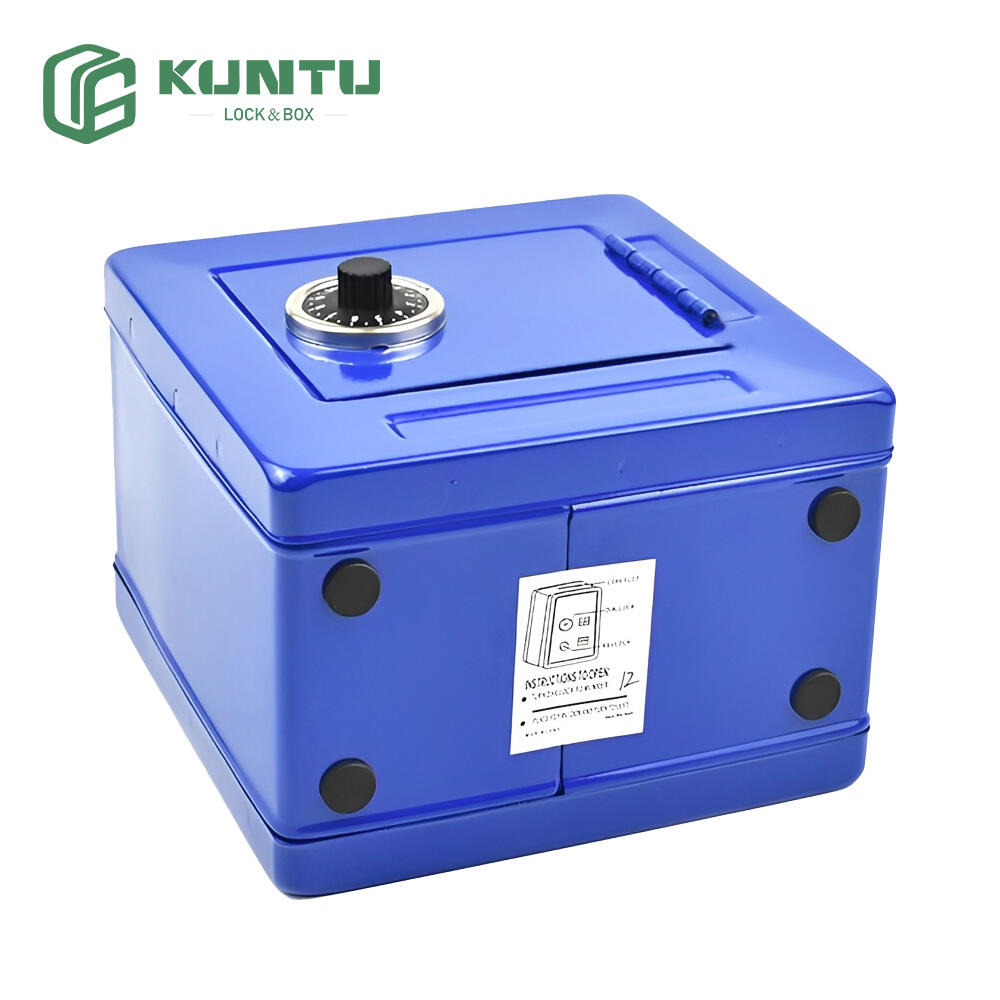
The post-pandemic era has reshaped the way professionals work, with freelancers, lawyers, doctors, and countless other specialists embracing home offices as a permanent or hybrid workspace. While this shift offers flexibility, it also introduces critical compliance and security challenges—especially when handling client-sensitive data, confidential documents, and proprietary devices. For these professionals, adhering to strict data protection regulations (such as GDPR, HIPAA, and industry-specific confidentiality standards) is non-negotiable; a single breach of client privacy can lead to severe legal penalties, reputational damage, and the loss of trust. A high-quality house safe emerges as a foundational solution, bridging the gap between home office convenience and regulatory compliance by providing a secure physical barrier for sensitive assets.
For professionals bound by strict regulations like GDPR (General Data Protection Regulation), the obligation to protect personal data extends beyond digital safeguards. GDPR mandates that organizations—and individual professionals acting as data controllers—implement “appropriate technical and organizational measures” to prevent unauthorized access, disclosure, or destruction of personal data. This includes physical protection: printed client contracts, medical records, financial statements, and even digital storage devices (like external hard drives or USBs containing encrypted client data) must be secured against theft, loss, or accidental exposure. A house safe with robust security features is not just a best practice; it’s a compliance requirement, demonstrating proactive efforts to safeguard data and mitigate legal risks.
Lawyers and legal professionals face unique confidentiality obligations, governed by bar association rules and attorney-client privilege. Client case files, deposition transcripts, wills, and other legal documents contain highly sensitive information that, if compromised, could undermine cases and violate ethical standards. In a home office, where spaces may overlap with family life or household activities, the risk of unauthorized access increases. A dedicated house safe provides a secure repository for physical legal documents, ensuring that only authorized individuals can access them. For digital legal data stored on laptops or external drives, a fireproof and waterproof house safe adds an extra layer of protection, shielding devices from environmental damage and theft while maintaining compliance with confidentiality rules.
Doctors, therapists, and healthcare providers are held to equally stringent standards, particularly under regulations like HIPAA (Health Insurance Portability and Accountability Act) in the U.S. or similar healthcare privacy laws globally. Patient medical records—whether printed notes, test results, or digital files—contain protected health information (PHI) that must be safeguarded at all times. A breach of PHI can result in fines of up to millions of dollars, along with severe damage to a healthcare provider’s reputation. A house safe designed for medical professionals offers secure storage for physical PHI documents, while also protecting digital devices (like tablets used for patient notes or external drives with backup records) from unauthorized access. Biometric or digital keypad locks on the house safe ensure that only the provider can access sensitive patient data, aligning with HIPAA’s access control requirements.
Freelancers, from graphic designers handling client brand assets to financial consultants managing sensitive financial data, also benefit significantly from a house safe. While freelancers may not face the same regulatory burdens as lawyers or doctors, they are still obligated to protect client confidentiality under contract terms. A breach—such as a stolen laptop containing client designs or a misplaced printed invoice with bank details—can lead to lost clients, legal disputes, and a damaged professional reputation. A compact, secure house safe allows freelancers to store laptops, external drives, printed client materials, and even physical devices like cameras or tablets (used for client work) when not in use, minimizing the risk of theft or accidental exposure.
Choosing the right house safe for a home office requires aligning features with compliance needs and asset types. For physical documents and small devices, prioritize a house safe with pry-resistant steel construction, tamper alerts, and secure locking mechanisms (biometric, digital keypad, or key locks). Fire and water resistance are essential to protect contents from environmental damage, ensuring that sensitive data remains intact even in the event of a disaster. For digital devices, consider anti-magnetic house safe models to shield hard drives from electromagnetic interference that could corrupt data. Additionally, bolt-down capabilities prevent the safe from being stolen, a critical feature for high-value or highly sensitive assets.
In a home office, compliance and security are not optional—they are the backbone of a successful professional practice. A house safe is more than a storage solution; it’s a compliance tool that demonstrates a commitment to client privacy and regulatory adherence. For freelancers, lawyers, doctors, and other professionals, investing in a high-quality house safe is an investment in risk mitigation, reputation protection, and peace of mind. By securing sensitive documents and devices in a house safe, professionals can focus on their work, knowing that they have taken the necessary steps to protect their clients and themselves from legal and security threats.