
 EN
EN
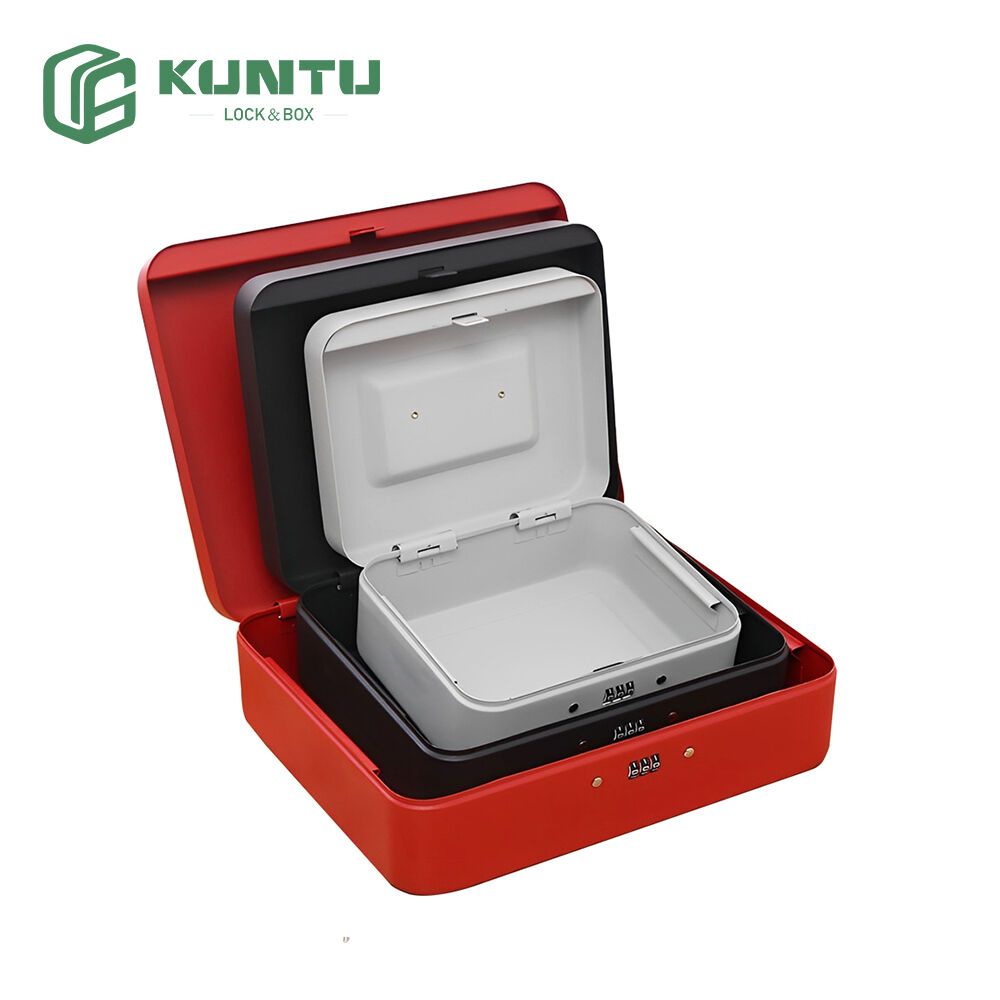
The North American cannabis industry is experiencing explosive growth, driven by the expanding legalization of medical and recreational use across states. However, this high-potential sector operates under a unique set of challenges: federal prohibition classifies cannabis as a Schedule I substance, barring traditional banking services for dispensaries. As a result, nearly all transactions rely on cash, making these businesses prime targets for theft and forcing them to navigate a complex web of state-specific regulations governing cash management. For cannabis dispensaries, survival and profitability hinge on implementing compliant, secure cash handling systems—from point-of-sale (POS) transactions and on-site storage to armored car handoffs. A comprehensive solution centered on regulatory-aligned safes and cash boxes not only mitigates risks but also ensures adherence to state laws, protecting dispensaries from fines, license revocation, and criminal liability. This article explores the end-to-end cash management framework tailored for cannabis dispensaries, highlighting how purpose-built cash boxes and safes integrate into compliant operations.
The High-Stakes Cash Dilemma for Cannabis Dispensaries
Unlike most retail businesses, cannabis dispensaries operate in a cash-only ecosystem due to federal banking restrictions. Even in states where cannabis is legal, federally insured banks and credit unions avoid serving dispensaries to evade legal risks, leaving businesses to manage large volumes of physical cash daily. This creates dual crises: heightened security risks and stringent regulatory burdens. Dispensaries face a 40% higher theft rate than traditional retail stores, with robberies targeting cash-rich locations. Simultaneously, states impose strict rules on cash storage limits, secure handling protocols, and transportation requirements—non-compliance can result in fines of up to $10,000 per violation, temporary closures, or permanent license revocation.
For example, states like California and Colorado mandate that dispensaries store cash in approved secure containers, limit on-site cash holdings overnight, and document all cash movements. New Jersey, which launched legal recreational cannabis sales in 2022, requires dispensaries to use armored cars for cash transportation to approved depositories or tax authorities. Hawaii, aiming to reduce cash-related crimes, has promoted cashless payment solutions like CanPay, but many dispensaries still accept cash and need compliant storage options. In this landscape, a cash box is no longer a simple accessory but a critical component of regulatory compliance and risk mitigation.
End-to-End Compliant Cash Management Solutions
1. In-Store POS Cash Handling: Cash Boxes for Secure Transaction Processing
At the point of sale, dispensaries need cash handling tools that balance speed, security, and compliance. A durable, state-approved cash box integrated with POS systems is essential for daily transactions. These cash boxes should feature partitioned compartments for different denominations, secure locking mechanisms (keyed or combination locks), and tamper-evident seals to track cash movements between shifts. For compliance, cash boxes must be accessible only to authorized staff, with digital logs recording every access—aligning with state requirements for audit trails.
Opt for cash boxes constructed from heavy-gauge steel with anti-pry edges to deter in-store theft. Some models come with RFID or biometric access controls, ensuring only trained employees can open the box and reducing internal theft risks. Additionally, cash boxes should be designed to fit under POS counters or in secure drawers, keeping cash out of sight of customers while maintaining easy access for staff during peak hours. After each shift, cash from the box is counted, reconciled with POS records, and transferred to a larger on-site safe—creating a documented chain of custody required by state regulators.
2. On-Site Temporary Storage: Regulatory-Aligned Safes and Cash Box Integration
State regulations strictly limit the amount of cash dispensaries can store on-site, with most requiring overnight cash to be secured in approved, fire-resistant safes. These safes must meet specific standards—such as UL Class 350 fire resistance and anti-drill construction—and be bolted to the floor or wall to prevent removal. For mid-day cash accumulation, a secondary secure storage system integrating a cash box provides flexibility while maintaining compliance.
During business hours, excess cash beyond the POS cash box capacity is transferred to a dedicated intermediate cash box, which is then locked inside the main safe. This layered approach ensures that cash is never left unprotected and stays within state-mandated on-site limits. The intermediate cash box should be labeled, sealed, and logged to maintain transparency for audits. For dispensaries with multiple POS stations, centralized cash boxes with individual compartments for each station simplify end-of-day reconciliation and reduce errors. Additionally, safes should be equipped with alarm systems linked to local law enforcement and security monitoring services—another common state requirement to deter break-ins.
3. Armored Car Handoff: Secure Cash Box Protocols for Transportation
Transporting cash to approved depositories, tax authorities, or off-site storage facilities is one of the highest-risk stages for dispensaries. States like New Mexico and Colorado require cannabis businesses to use licensed armored car services for cash transportation, with strict protocols for handoff procedures. A compliant cash box is critical for this stage, as it ensures cash remains secure and accounted for during transit.
Transport cash boxes should be tamper-proof, with serialized seals that are broken only by authorized personnel at the destination. These boxes are designed to fit standard armored car storage compartments and feature reinforced construction to withstand impacts. Before handoff, dispensary staff count and document the cash, seal the cash box, and log the transfer in a digital system. Armored car personnel verify the seal, sign for receipt, and transport the box to the designated location—creating an unbroken chain of custody required by state law. Some advanced cash boxes integrate GPS tracking, allowing dispensaries to monitor the box’s location in real time during transit. Upon delivery, the seal is verified, the cash is counted, and both parties sign off on the transfer, completing the compliant transportation cycle.
Key Regulatory Considerations for Cash Box and Safe Selection
Cannabis dispensaries must select cash boxes and safes that meet state-specific requirements, as regulations vary widely across legal jurisdictions. Key factors to prioritize include:
-
State Approval: Choose cash boxes and safes listed on the state’s approved equipment registry (where applicable). For example, California’s Bureau of Cannabis Control (BCC) maintains a list of compliant secure storage devices.
-
Tamper-Evident Features: Cash boxes should have tamper-evident seals or locks that leave visible signs of unauthorized access, supporting audit trails and regulatory compliance.
-
Fire and Burglary Resistance: Safes must meet minimum fire resistance ratings (typically 30+ minutes at 1700°F) and anti-burglary standards to withstand forced entry attempts.
-
Access Control and Auditing: Systems should track all access to cash boxes and safes, with digital logs that can be easily submitted to regulators during inspections.
-
Scalability: As dispensaries expand, cash management solutions should accommodate higher transaction volumes, with modular cash boxes that integrate into existing storage and transportation workflows.
The Business Case for Compliant Cash Management
Investing in state-compliant cash boxes and safes delivers tangible returns beyond regulatory adherence. By reducing theft risks, dispensaries avoid costly losses—an average robbery costs a dispensary $25,000 to $50,000 in cash, property damage, and lost business. Compliant systems also streamline audits, reducing the time and resources spent on regulatory reporting. Additionally, a robust cash management framework enhances the dispensary’s reputation with regulators, increasing the likelihood of license renewal and reducing the risk of penalties.
For multi-location dispensary chains, standardized cash box and safe systems create consistent compliance across all stores, simplifying training and oversight. Integration with cash management software further optimizes operations, automating logkeeping, reconciliation, and reporting—freeing staff to focus on customer service rather than administrative tasks. In an industry where margins are tight and risks are high, compliant cash management is not just a legal requirement but a strategic investment in long-term survival.
Conclusion: Cash Boxes as a Cornerstone of Dispensary Compliance
For cannabis dispensaries operating in North America’s high-growth, high-risk landscape, compliant cash management is non-negotiable. From POS transactions to armored car handoffs, a well-designed system centered on state-approved cash boxes and safes mitigates theft risks, ensures regulatory adherence, and protects the business’s most valuable asset—its license. By integrating durable, tamper-evident cash boxes into end-to-end workflows, dispensaries can navigate the complex regulatory environment with confidence, focus on growing their business, and thrive in an industry poised for continued expansion. In the world of cannabis retail, the right cash box is more than a secure container—it’s a lifeline for compliance and survival.