
 EN
EN
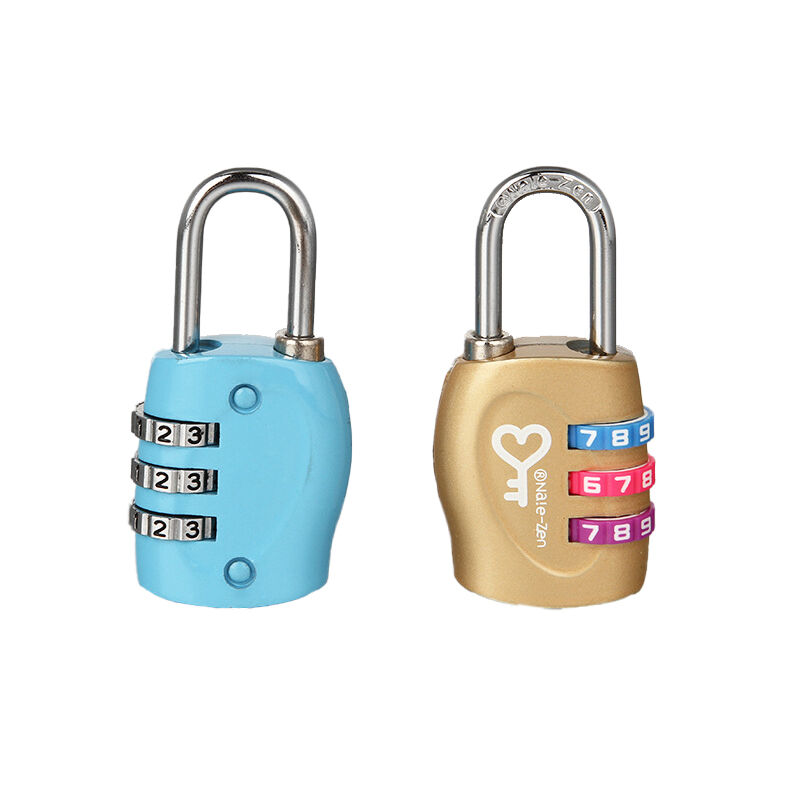
Why Schools Rely on Combination Padlocks for Locker Security
Schools tend to go with combination locks for student lockers because they strike just the right mix between keeping things secure, making life easier for staff, and being user friendly for kids. Keyed systems are a headache since students constantly lose their keys, which is a major pain point in schools where hundreds of kids come and go all day long. Lost keys mean extra work for administrators who have to track them down or replace them when necessary. Combination locks cut out this whole mess entirely. Plus, when schools stick to the ASTM F883-22 guidelines, these mechanical combinations offer good enough protection from random attempts at breaking in without costing nearly as much as those fancy electronic locks that need batteries replaced and regular software updates.
Durability is equally critical in school settings. Quality models feature hardened steel shackles and anti-corrosion coatings to withstand daily wear from students, including impacts, weather exposure, and attempted forced entry. Their mechanical simplicity ensures consistent performance—free from battery failures or technical malfunctions that plague digital counterparts.
Students generally handle the mental effort needed for these locks pretty well. Most schools stick to simple 3 or 4 digit combinations that match what kids can manage at different ages from kindergarten through high school. This helps cut down on the headaches when trying to open lockers, especially during those hectic times between classes when everyone is rushing around. The designs make sense for how kids actually use them, plus they're budget friendly too. At less than ten bucks each, combination padlocks remain a solid choice for keeping school lockers secure without breaking the bank.
Essential Features of a School-Grade Combination Padlock
Tamper-Resistant Design: ASTM F883-22 Compliance and Shrouded Dials
Security remains a top concern in school settings when it comes to protecting against physical breaches. Quality combo padlocks come equipped with what's called shrouded dials these are basically metal covers that protect the actual dial mechanism from being tampered with or pried open. These locks meet the ASTM F883-22 standards specifically designed for juvenile resistant hardware. According to those specs, any decent lock should hold up for at least 15 seconds during forced entry attempts. The latest version of this standard came out back in 2022, making sure that shackles can stand up to bolt cutters and the steel body itself resists damage from hammers. One particular problem these designs address is something known as lock shimming where someone slides a thin tool between the shackle and main body of the lock. School security experts from the National Association of School Safety Officials have actually found this weakness present in around 37 percent of locks that don't follow the proper standards.
User-Friendly Reset Mechanism for Shared Locker Management
School administrators are constantly looking for ways to manage locker assignments across different semesters without having to replace entire locking systems. Many school grade locks now come with straightforward reset features where staff can simply slide a lever or press a button while turning the dial to program new combinations. This approach cuts down on the hassle of managing keys and saves schools money in the long run. Some reports suggest replacement costs drop around 70% when these systems are implemented according to facility management data from last year. From the student side, easy reset options save valuable classroom time that would otherwise be wasted trying to fix stuck locks. Middle school kids reportedly spend about eight minutes each day wrestling with complicated lock mechanisms based on recent educational psychology research. Schools have started adding color coded dials and tactile markers to help younger students navigate these systems more easily, making daily routines smoother for everyone involved.
Balancing Security, Durability, and Student Accessibility
Cognitive Load vs. Security: Optimizing Dial Complexity for K–12 Users
When designing school grade combination padlocks, manufacturers need to think about how kids develop from kindergarteners all the way up to twelfth graders. Little ones often get frustrated trying to work out multiple steps at once. Some studies show around two thirds of elementary students still need help when dealing with locks that have more than three numbers to set. If we give them something too complicated, they just give up altogether. And what happens then? Kids start writing down their codes on sticky notes and taping them right inside their lockers! That's not exactly secure. High schools though, they can handle more complex systems. Four dial locks provide about ten thousand different combinations compared to only a thousand options on those three dial models. This makes it much harder for someone to guess the code by brute force. Finding the right mix depends heavily on which age group we're talking about here.
- K–5: Three dials with tactile indicators reduce cognitive load while maintaining a 0.1% guess probability
- 6–8: Gradual introduction to four-dial systems with visual alignment guides
- 9–12: Full four-dial security with optional master-key override for emergencies
When it comes to lockers, durability works hand in hand with how easy they are to use. Dial locks that only need a short turn (less than 90 degrees) tend to last longer because they don't wear out as quickly, plus they help kids develop their motor skills over time. Many schools have noticed around 40% fewer problems getting into lockers when the dial isn't too hard to turn, specifically when resistance stays under 2.2 pounds force (about 1 kilogram). These lockers can be opened easily without making them vulnerable to being tampered with. The way these locks are designed actually makes sense for students. They protect belongings but still fit into what kids can handle day after day at school instead of becoming frustrating obstacles in their routine.
FAQs
Why are combination padlocks preferred over keyed locks in schools?
Combination padlocks are preferred because they eliminate the problem of lost keys, simplifying security management and reducing administrative burden.
What security standards do quality combination locks meet?
Quality combination locks for schools adhere to the ASTM F883-22 standards, which ensure the locks are resistant to physical breaches like bolt cutting and lock shimming.
How do schools manage locker combinations for different semesters?
Schools use padlocks with user-friendly reset mechanisms, allowing staff to easily update combinations without replacing locking systems.
Are combination locks suitable for all age groups in schools?
Yes, combination locks are designed with varying dial complexities to accommodate different age groups from kindergarten to high school.