
 EN
EN
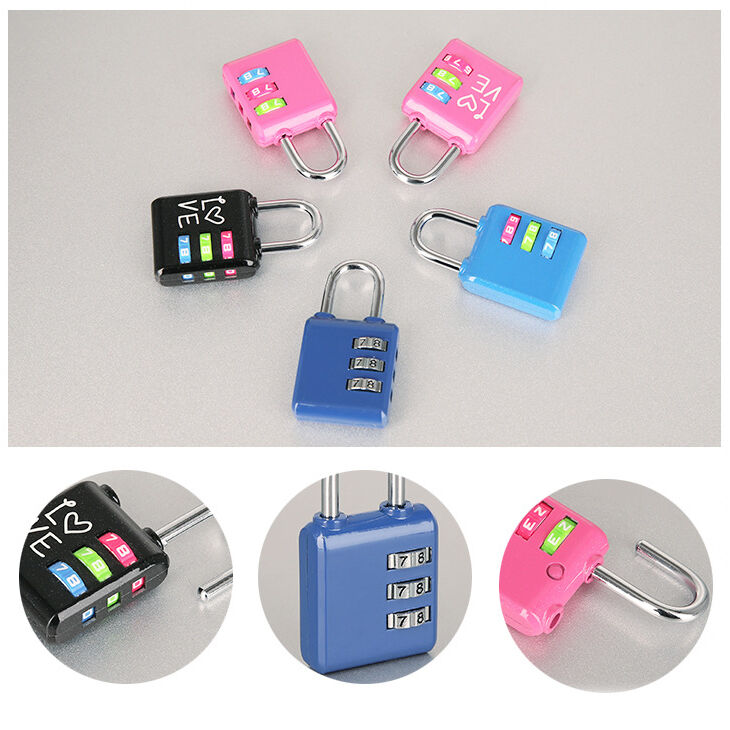
Why Gyms Rely on Combination Padlocks for Locker Security
High Theft Rates and Rapid User Turnover Demand Keyless, Self-Managed Access
The theft issue is prominent in gym locker rooms, with many facilities losing three times more items than average retail stores according to recent loss prevention reports from 2023. The constant flow of members exacerbates the problem for gyms that see 500 people or more each day. These places often need to move lockers around up to 15 times throughout the day alone. Regular key systems are inefficient here as people often misplace their keys while working out, which occurs in about a quarter of all members. This creates security vulnerabilities and wastes time for staff attempting to resolve these issues. Combination locks solve this problem since everyone can set their own code upon arriving at the gym, eliminating the need to distribute physical keys. Once someone leaves, another person can immediately take their place without waiting for assistance. Most combination locks have rotating dials with thousands of different settings, making it difficult for others to guess someone's code. Additionally, the metal components are robust enough to resist bolt cutters that thieves sometimes attempt to use in busy areas with high locker traffic.
Eliminating Keys Reduces Facility Liability and Streamlines Operations
Transitioning to combination padlocks reduces gyms’ operational liabilities by 40%, according to insurance claim analyses. Key-based systems generate recurring costs:
- Replacement expenses: $12–$25 per lost key
- Lock-cutting labor: 15+ staff hours weekly in large facilities
- Liability exposures: 62% of locker theft claims involve compromised key cabinets
When gyms switch to combination locks, they transfer control of access codes directly to members. This removes the facility from the security equation, reducing legal risks for the business and facilitating faster onboarding of new patrons. Staff no longer waste time distributing physical keys either – approximately 8 minutes saved per member each day on this task alone. Moreover, those costly data breaches, according to research from the Ponemon Institute in 2023, can lead to an average loss of about $740,000 for businesses due to stolen master key records. Operational improvements extend beyond just financial savings. There is no longer a need to track and store hundreds of keys, lockers can be reassigned instantly when needed, and the maintenance of expensive lock-cutting machines becomes unnecessary. Many mid-sized fitness centers have actually realized savings of around $18,000 annually after discarding traditional key systems entirely.
Key Technical Standards for Reliable Gym Combination Padlocks
Gym locker combination padlocks require rigorous engineering to endure high-use, high-moisture environments. Two critical standards define their reliability: material durability and shared-access functionality.
IP54+ Ingress Protection and 45 HRC+ Hardened Steel Shackles Ensure Durability
The locker room environment demands effective moisture protection due to its dampness. The IP54 rating on the seals prevents sweat and steam from causing rust inside, which actually results in problems for around 37 percent of locker lock failures according to recent maintenance data from various facilities nationwide. Similarly crucial are those hardened steel parts that must be at least 45 HRC on the Rockwell scale. These components resist bolt cutters or attempts to saw through them effectively. Some top security options can endure pulling forces exceeding four tons, meeting both UL 437 and BHMA requirements for physical attack resistance. When lockers incorporate all these characteristics, gym owners typically report fewer break-ins overall.
Consistent Tumbler Reset Mechanism and Tamper-Resistant Housing for Shared Use
In facilities with a high turnover of patrons, easy-to-use and tamper-proof lockers are essential. The dual-stage dials with a positive reset feature allow users to set their own codes seamlessly, reducing confusion and preventing combinations from mixing up over time. This results in a 27% reduction in complaints regarding locker access issues according to our observations. Lockers constructed with reinforced zinc alloy bodies and hidden hinges make prying attempts difficult. Inside, specialized anti-shim plates prevent access through gaps between doors, a common issue in busy environments like schools or gyms. Furthermore, these locks do not degrade easily. According to ASTM F883 standards, they withstand over 100,000 locking and unlocking cycles before showing any wear.
Balancing User Autonomy and Facility Control with Smart Combination Padlock Features
Master-Resettable and Dual-Mode (User + Admin) Combination Padlocks in Premium Facilities
Top-tier fitness centers are now adopting dual-mode combination locks that strike a balance between granting members freedom and retaining control for management. With simple dial interfaces, patrons can create their unique codes, while gym staff retain access through master reset features when necessary. Eliminating physical keys addresses a significant challenge for busy facilities, reducing lost time and hassle by around 40% according to recreation center managers. Members value the ability to secure their belongings quickly without requiring assistance, while administrators maintain authority over locker assignments or emergency situations. These systems function offline, not reliant on internet connections, thus eliminating concerns over tech failures during peak hours. Some models even offer optional tracking features that record locker access events, all while safeguarding individual privacy. This kind of accountability proves beneficial in specific scenarios without promoting surveillance concerns.
Real-World Impact: Measuring Success Beyond Security
Gym managers are starting to assess the effectiveness of combination padlocks in three primary areas: security enhancement, operational efficiency, and improved member experience. The difference in locker access time is quite stark, with traditional key locks individuals would take over 3 minutes to retrieve their belongings during busy periods, whereas with combination locks this drops below 30 seconds. This time-saving is significant during rush hours. Member satisfaction increases in tandem with this operational improvement; approximately 74% of gyms saw their Net Promoter Scores rise after the transition based on recent facility management reports from 2024. Cost savings are evident as well, the absence of lost keys reduces hassle and expenditure. On average, facilities save about $740 annually on maintenance costs for each 100 lockers (Ponemon Institute found this in 2023). Ultimately, customer retention rates improve, with gyms implementing combination locks reporting approximately 18% more memberships renewed, as patrons associate easy, problem-free access with a facility's reliability. Smart operators recognize the interconnected benefits rather than viewing them independently, appreciating that considering the return on investment for new technology requires an understanding of the synergy between security, operational flow, and member experience.
FAQ
Q: Why are combination padlocks preferred over traditional key locks in gyms?
A: Gyms prefer combination padlocks because they do not require physical keys, reducing security vulnerabilities related to lost or misplaced keys. They allow for quick and self-managed access by members, enhancing both security and operational efficiency.
Q: How do combination padlocks reduce theft in gym locker rooms?
A: Combination padlocks provide thousands of unique code settings which are difficult to guess, and their robust construction withstands traditional break-in attempts, significantly lowering theft incidents.
Q: What operational benefits do gyms experience after switching to combination padlocks?
A: Gyms experience reduced liability, fewer maintenance costs, streamlined operations, and time savings when accessing lockers. These benefits contribute to operational efficiency and cost savings in the long term.