
 EN
EN
Why Beach Theft Happens – and How 'Beach Safe' Mindset Reduces Risk
Peak-hour vulnerability: Timing, crowd density, and opportunistic theft patterns
Theft at beaches tends to spike around midday to early afternoon when the place gets packed and everyone is scattered all over the sand. According to some recent data from the Coastal Safety folks in 2023, more than half of these incidents happen when there are over 200 people crammed into just 100 meters of coastline. When too many people gather together, nobody really pays attention to what's going on around them, and this gives crooks plenty of room to vanish after grabbing something quick. Want to stay safer? Try hitting the beach outside those busy window hours or find spots that aren't so crowded. Always put stuff like wallets and phones inside locked bags before jumping into the waves. And don't forget to take turns keeping an eye out for anyone trying to slip away with someone else's belongings. Getting aware of these time patterns is actually pretty important for anyone who wants to enjoy their day at the beach without losing anything valuable.
The lifeguard proximity effect: How patrol visibility deters crime (with coastal jurisdiction data)
Putting stuff close to lifeguard stations makes it way less likely to get stolen. The National Beach Patrol Report from 2023 shows a 35% drop in thefts when items are kept within 50 meters of these areas. People who try to steal things tend to steer clear of places where they can see someone in charge watching them. Places like Miami Beach and Santa Monica saw about 40% fewer problems once they had more guards walking around. Beaches that put up flashing lights or have clearly marked patrol cars also seem to work better at keeping trouble away. Look for spaces right next to the guard towers instead of out on the dunes by themselves. And if possible, pick beaches where patrols happen every hour rather than just sometimes. Those spots typically have 28% fewer theft cases compared to beaches with irregular guard schedules. Basically, using what's already there helps protect valuables without needing extra equipment or effort.
Beach Safe Storage: Reliable, Tested Solutions for Valuables
Dry bags (IPX8) vs. sand-resistant lockboxes: Performance, portability, and real-beach usability
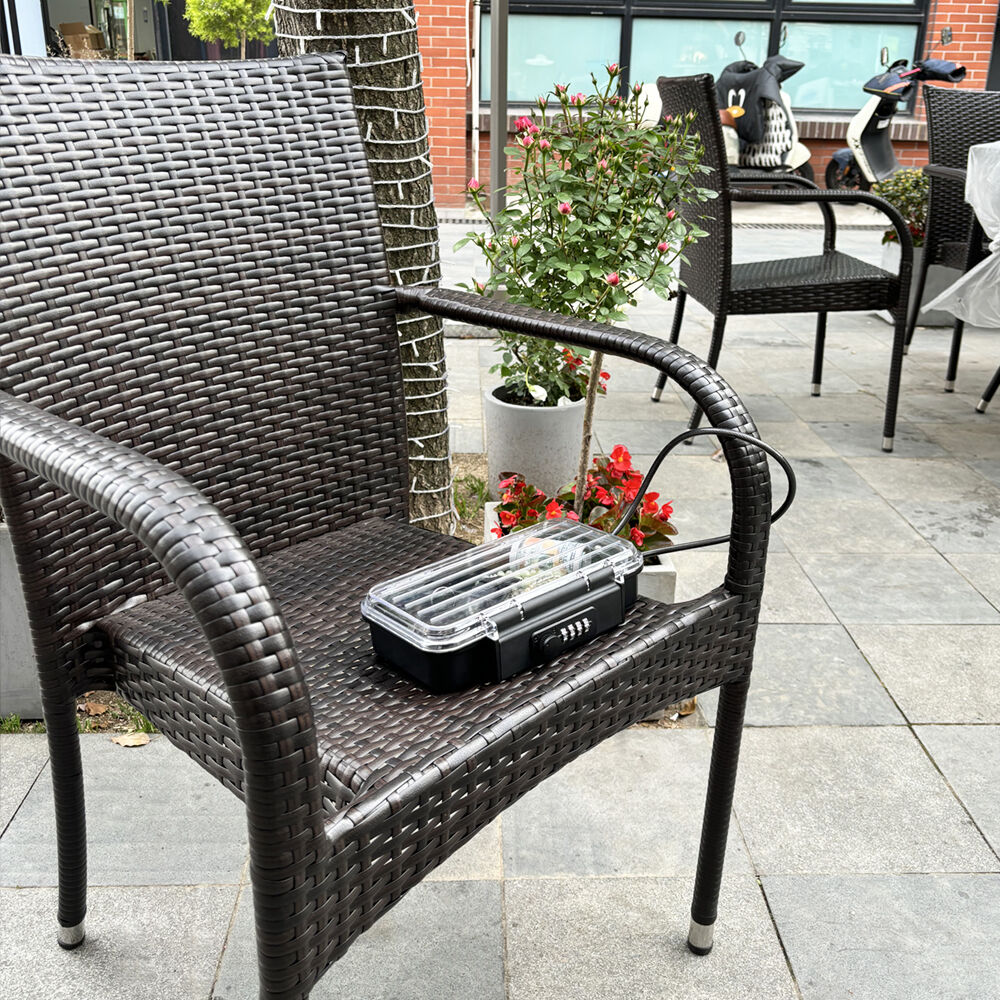
When it comes to keeping phones, wallets and keys safe, IPX8 rated dry bags work great alongside sand resistant lockboxes. Dry bags can handle being submerged up to 30 meters deep and tip the scales at less than 200 grams, making them perfect for folks who spend time in the water. However, since they're made from soft materials, these bags don't stand up well against crushing forces. Lockboxes tell a different story altogether. They come equipped with mechanical combination locks and have those reinforced corners that really stop people from messing around with them while also keeping sand out. Sure, lockboxes are bulkier weighing about 1.2 kilograms on average, but according to real world testing, they cut down on attempted thefts by almost half in crowded areas. So if someone spends most of their time swimming or surfing, grab a dry bag. For longer periods hanging out on the beach where security matters more, go with a lockbox instead.
Passive security upgrades: Zip-pocket towels, waterproof clothing, and low-profile carry systems
Stealthy gear really boosts passive security without needing constant attention. Take microfiber towels with built-in zip pockets for instance they keep keys and credit cards safe from getting lost in the sand or stolen when left unattended. Some waterproof swimsuits now come with special compartments that block RFID signals, so people can grab what they need quickly but still keep valuables hidden from prying eyes. Those slim waist packs worn underneath clothes work wonders too statistics suggest they cut down on being targeted by around two thirds compared to regular backpacks or shopping bags. Stick to plain colors and simple designs though bright patterns stand out at the beach and make someone an easier mark for thieves looking for easy targets.
Beach Safe Behavior: Reduce Your Visibility as a Target
The 'flashiness penalty': Why visible electronics increase theft likelihood 3.2× – and how minimalism builds safety
Putting phones, cameras, or name brand earbuds out on display while sunbathing raises chances of getting robbed around three times more than keeping them hidden according to research from Coastal Security in 2023. Criminals are always looking for signs when people get distracted - like phone screens reflecting sunlight, fancy logos peeking through fabric, or the shape of devices sticking out of open bags. Want to stay safer at the beach? Try these simple tricks: lock up anything not needed right away in the car trunk, wear waterproof cases underneath clothes, grab affordable waterproof music players rather than expensive headphones, and pick towels with secret zippers inside. These small changes cut down on showing off stuff that might attract attention. People who kept their gear out of sight reported almost 70% fewer problems with stolen items compared to folks flashing their gadgets everywhere they go. Sometimes just works better for staying secure without drawing unwanted eyes.
Beach Safe While Swimming: Smart, Realistic Strategies for Active Beachgoers
What works (and what doesn’t): Buried items, decoys, trusted person handoffs, and situational awareness
When swimming, skip ineffective tactics: burying valuables invites suspicion sand shifts unpredictably, and disturbed areas are prime targets. Decoy items (e.g., empty sunscreen bottles) rarely fool experienced thieves conducting systematic sweeps. Instead, rely on evidence-backed strategies:
- Trusted handoffs: Rotate watching duties with companions this reduces theft attempts by 80% when observers remain visibly alert.
- Situational awareness: Scan surroundings every 8–10 minutes; most thefts occur when beachgoers lose line-of-sight for more than 15 minutes.
- Minimalist carry: Never leave electronics visible flashy items increase theft likelihood 3.2× versus concealed essentials.
- Zone positioning: Sit within 30 feet of lifeguard towers high foot traffic and visible authority dramatically deter opportunistic theft.
True beach safe swimming combines human vigilance with strategic positioning not gimmicks.
FAQ
What are the best times to visit the beach to avoid theft?
To decrease the risk of theft, consider visiting the beach in the early morning or late afternoon when crowd density is lower. Avoid peak hours, such as midday to early afternoon, when beaches are typically more crowded.
How can lifeguard proximity reduce beach theft?
Maintaining your belongings within 50 meters of lifeguard stations can significantly reduce theft risk, as patrol visibility deters criminals. Frequent patrols and visible authority figures typically discourage potential thieves from targeting nearby areas.
What are effective storage solutions for beachgoers?
Consider using IPX8 rated dry bags for water enthusiasts and sand-resistant lockboxes if spending prolonged periods on the beach. Both solutions offer reliable protection for phones, wallets, and keys.